Author: Syed Saad Ahmed

  • How Can We Protect Mothers and Babies against Climate Change?

    How Can We Protect Mothers and Babies against Climate Change?

    Many studies have linked heat stress during pregnancy with negative outcomes, such as low birth weight. For every 1°C rise in temperature, the odds of preterm birth and stillbirth rise by 5%. Heat waves increase the risk of preterm birth by 16%. 

    However, we do not have enough evidence regarding the pathways by which heat exposure results in these problems. We also do not know the safe limit of heat exposure for pregnant women. Moreover, there is a lack of studies from low- and middle-income countries, where the effects of climate change are often the most pronounced. 

    To understand the impact of climate change on maternal and child health and explore safeguarding measures, I spoke with Dr Adelaide Lusambili, a lead investigator in the Climate, Heat and Maternal and Neonatal Health in Africa project

    Dr Lusambili is an internationally recognized scientific researcher and educator with over 18 years of experience in the UK and several sub-Saharan African countries.  She is an Associate Professor at Africa International University in Nairobi, Kenya. Dr Lusambili has over 50 publications on a range of public health issues and has spoken at international forums, such as COP, Africa Health Agenda International Conference, and World Meteorological Organization.

    You can listen to the podcast with Dr Adelaide Lusambili here. The edited transcript is below.

    Dr Adelaide Lusambili, scientific researcher and educator

    Expert Insights from Dr Adelaide Lusambili 

    Research on climate change’s impact on maternal and child health

    The issue has gained attention only recently and research on the topic is just beginning. Climate change impacts are broad, ranging from flooding to extreme temperatures. My research has focused on high ambient temperatures and how they are impacting maternal and child health.

    While there is some research on the topic, we have limited funding for it. We need more evidence, especially epidemiological evidence, to inform policy and interventions.

    Climate, Maternal and Neonatal Health in Africa (CHAMNHA) project

    CHAMNHA was a consortium of different universities across the globe to understand the effects of heat stress on pregnant women and newborns. We also wanted to generate evidence to inform public health responses and support plans for adaptation in sub-Saharan Africa. We had different workstreams: a group of experts codified the impacts of heat stress in Kenya and Burkina Faso, there were qualitative studies, and there were interventions based on our findings.

    Public health challenges in Kilifi County, Kenya, where Dr Lusambili conducted research 

    Kilifi is on the east coast of Kenya. The areas where we collected the data were very hot—in summer, temperatures can rise to 45°C (113F). The communities there have low literacy levels, high birth rates, and high maternal mortality rates. The infrastructure is poor in terms of transport and healthcare facilities. 

    Effect of extreme heat on mothers and newborns in the region

    We found that extreme heat leads to extreme exhaustion during pregnancy—women cannot continue performing daily activities. It also compromises certain behaviors. For instance, when it’s hot, they don’t go to health facilities for ante-natal care to avoid walking in the heat. In the east coast of Kenya, malaria is rampant, but they are not able to use mosquito nets due to the heat. This increases the risk of malaria. 

    Extreme heat has also impacted water sources, so women need to travel longer distances to look for drinking water. There is a greater risk of violence as they have to go to unsafe places to look for water. It has affected food production as well, leading to a scarcity of food. All these factors amplify anxiety and other mental health issues. 

    Women who get dehydrated due to the heat often end up having a Cesarean section because they can’t push out their babies. Heat is also likely to lead to early labor. Healthcare workers may not be prepared to assist women during heat stress because they don’t have the right tools and that affects outcomes during deliveries. 

    Postpartum women talked about a lack of adequate food and water. They don’t eat enough, leading to low breast milk production. So, they cannot exclusively breastfeed their child for the first six months. Even maintaining personal hygiene and cleanliness at home becomes difficult. They don’t go to get post-natal care at health facilities due to the heat. They are worried about their babies, food, water, and hygiene, so they become more anxious and irritable.

    Mothers also talked about having more underweight babies—they link this to poor nutrition. They mentioned the discomfort newborns go through and how the health of babies is compromised. They get blisters on their body and tongue, making it difficult to breastfeed them.

    Key takeaways from a co-design workshop organized with various community members to discuss what interventions can help mothers and their newborns in periods of high temperature

    We held the co-design workshop to bring together all the stakeholders in Kilifi and present findings from our research so that they could deliberate on possible interventions to support women against climate impacts. One of the key takeaways was that the water system needed to be upgraded because most women walked long distances in the heat to fetch water. 

    Another was behavior change interventions. Since heat has been normalized in these settings and they don’t see climate change as real, women continue to perform activities that could be harmful to them and their children. These behaviors include walking in the heat with their babies, not using mosquito nets, and covering their children in many layers of clothing due to traditional norms. Nature-based solutions such as planting trees and keeping the environment clean also came up during the
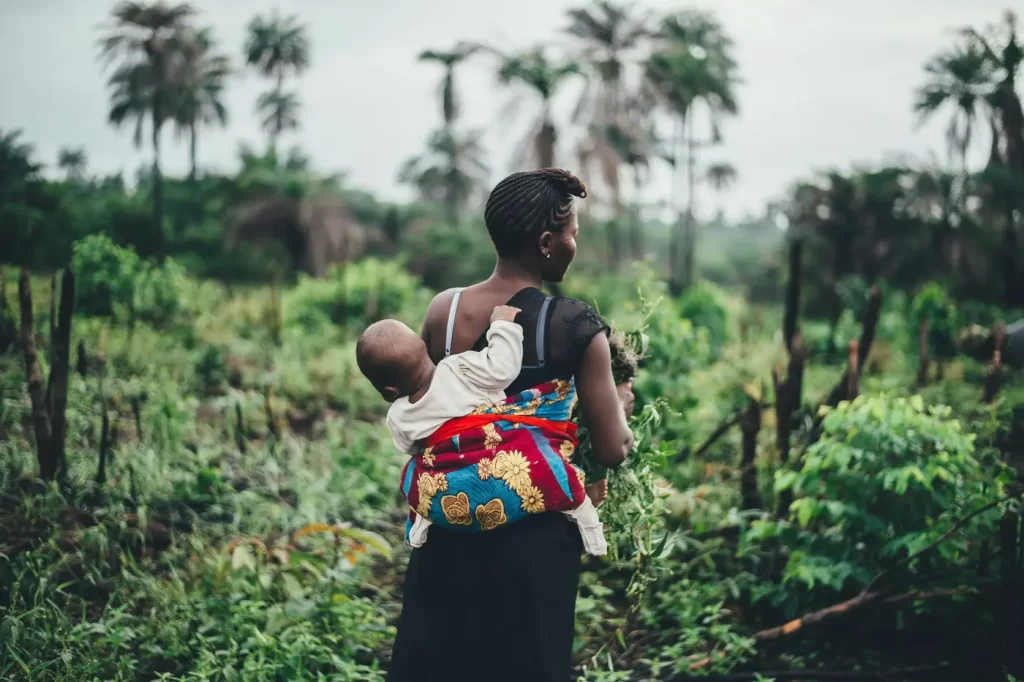
    A woman in a black dress with a baby strapped to her back looks at a field. Her back is to the camera and both her and her baby’s face is not visible.
    Social and behavior change interventions can help mitigate the impact of climate change on mothers and babies. Photo by Annie Spratt, Unsplash

    Why people don’t see heat as a problem or don’t believe that climate change is real

    People didn’t see climate change as something real because in some parts of Africa and especially where we collected our data, the climate is tropical—temperatures have been high for decades. So when we talk about climate change, they say, “It’s always been hot, what’s the difference between now and before?”

    When we talk about the effects they’re experiencing, they say, “Now, we’re seeing more maternal deaths and more women don’t attend ante-natal check-ups.” They begin to see how things are changing, so we ask them, “Don’t you think that’s climate change? The heat is increasing.” 

    Given the lack of knowledge about the impact of heat, the co-design workshop sought to raise awareness among the community so that they can come up with locally supported interventions to protect against it.

    Ethical dilemmas of conducting research in high ambient temperatures

    I have conducted research on various topics, but this experience was different because we collected data during high temperatures. This had deleterious impacts on both the researchers and participants. I wrote this paper so that ethics committees or teams putting protocols are aware of these challenges. In extreme heat, it’s unlikely that participants will sit through an interview for an hour—they have babies, they have to walk long distances, and their homes are heated. So, there should be a shift in how ethics committees approve research. They have to carefully examine the context where research is being conducted and ensure that it is in the best interest of everyone so that no one group suffers.

    What Dr Lusambili change about how we currently approach climate change and maternal and child health

    That’s a difficult one! I want everything to change. 

    But what would make a big difference is ensuring that communities are informed about the impacts of climate change on mothers and babies and are given the tools to support them. 

    A key point that came up during the co-design workshop was the need for a social and behavior change campaign. Because of the communities’ social and cultural norms, women are expected to continue working when they are pregnant and even immediately after childbirth. These norms are harmful to mothers and babies and need to change. 

    There is a need for spouses, mothers-in-law, and other relatives to support mothers and babies with daily activities and in attending ante-natal care and post-natal care at health facilities. Societal support can help enable simple behavioral changes such as drinking more water, boiling water before drinking, using bed nets, and avoiding walking in the heat with babies. 

  • Can AI Save Lives? The Experience of an Indian Nonprofit

    Can AI Save Lives? The Experience of an Indian Nonprofit

    There are many AI tools for maternal and child health, such as apps to detect malnutrition in children and algorithms to predict risks and complications during pregnancies.

    But these tools raise several questions: what are the benefits and downsides of AI compared to current approaches? What are the challenges and risks of using AI? How can we ensure that AI tools promote health equity and access rather than deepening existing divides?

    I delved into some of these issues in a podcast with Amrita Mahale, the Director of Product and Innovation at ARMMAN. ARMMAN is an Indian nonprofit that creates cost-effective, tech-based solutions to reduce maternal and child mortality and morbidity. Through its programs, the organisation has reached around 50 million women and children, and 400,000 health workers in 21 states across India.

    Interview With Amrita Mahale

    What are the maternal and child health challenges that ARMMAN is trying to address?

    India has made great strides towards reducing maternal mortality, but still, every 20 minutes or so, a woman dies in childbirth. And for every woman who dies, many more suffer lifelong complications. 

    One challenge is low healthcare-seeking behavior. Due to patriarchal strictures and norms, neither women, nor their families pay much attention to their health needs. These issues are exacerbated for women from low-income and low-education backgrounds.

    Besides, community health workers are often underskilled and overworked. They are supposed to provide basic care for simple conditions, but that doesn’t always happen. So, women either delay seeking care, opt for private clinics (which can be expensive), or go to tertiary health facilities (which are usually overburdened) [See Glossary #1 below for more details]. Delay in accessing healthcare increases the risk of severe complications and deaths. If you have good preventive care systems, most complications can be averted or caught early and dealt with at the health system’s lower levels. That way, only the most acute cases go to secondary or tertiary facilities. 

    How is ARMMAN using technology to solve these challenges?

    Our programs broadly fall into two buckets. One, programs that empower women with preventive care information through pregnancy and infancy so that they seek healthcare early and regularly.

    Two, programs that train and support health workers to better provide healthcare and detect and manage complications early. We try to prevent health complications and ensure that when they occur, they are tackled at the health system’s lower levels to avoid overburdening tertiary facilities.

    Two of our largest programs are Kilkari and Mobile Academy. Kilkari, which we run in collaboration with the Government of India, delivers weekly pre-recorded messages to women over mobile phones from the fourth month of pregnancy till the child turns one. It has reached over 47 million women to date and has 3.5 million active subscribers across 20 states of India. Mobile Academy trains frontline health workers known as ASHAs [See Glossary #2 below for more details] using phone-based training modules. Another program is mMitra, which sends automated voice calls with critical health information to around 100,000 women in the state of Maharashtra. 

    There have been Randomized Controlled Trials (RCT) [See Glossary #3 below for more details] to evaluate the impact of our programs. The mMitra RCT showed a 38% increase in pregnant women who completed the prescribed doses of iron-folic acid tablets and a 22% increase in the number of children who tripled their birth weight after one year. There were also improvements in tetanus vaccine uptake, consulting a doctor for spotting or bleeding during pregnancy, and delivery in a hospital. John Hopkins University conducted the RCT for Kilkari about five years ago. It showed improvements in the vaccination of children, delivery in a hospital, use of contraceptives, and fathers’ knowledge regarding maternal and child health.

    What prompted you to use AI in your programs?

    ARMMAN has been using AI for several years now, starting with the mMitra program. In mMitra, we observed dwindling engagement over time, which is common for mobile health programs globally. Some listen actively for a few weeks or months, but since the program goes on for 18 months, they stop listening for various reasons. We wanted them to listen to every message during the program because, say, if a pregnant woman drops out before the child is born, she will miss out on information related to immunization, exclusive breastfeeding, complementary feeding, etc.

    We had some rules-based systems to avoid drop-offs. So, when a woman stopped listening, we would call her from our call center, but it would often be too late. And the bigger challenge is that we don’t have a large workforce. These resource constraints meant that we couldn’t call everyone who stopped listening. So, we wanted to identify and predict listenership patterns early on and strategically intervene to ensure higher success rates.

    We realized that we have a lot of data, so why not use AI to solve this problem? We partnered with Google Research India and used restless multiarmed bandit algorithms to predict which users are likely to drop off and who among them will benefit the most from an intervention.

    Now, we are trying to do the same in Kilkari as well. It’s different from mMitra, where we enroll the women ourselves and collect demographic information. So, it’s easy to transfer insights from older cohorts to newer ones. When a woman joins, we can figure out a lot based on her socio-demographic characteristics and information from past subscribers.

    In Kilkari, we have no demographic information, so all we can do is look at a woman’s listening trajectory and make predictions about her future. So, we had to make many tweaks to the AI approach to meet the needs of a national program like Kilkari. But because we’ve done it once, we know what to expect and how to design an effective AI study. 

    We follow an evidence-based approach to scaling innovation. So, we start with small pilot projects [See Glossary #4 below for more details] and then increase their scale before large rollouts. 

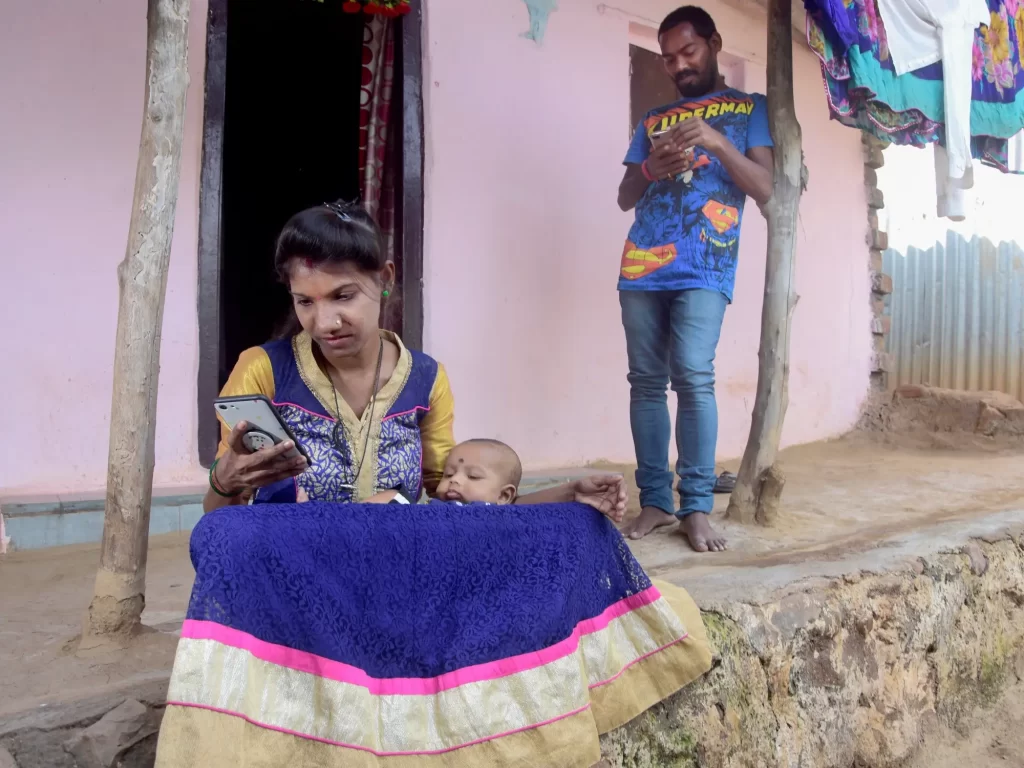
    A woman in a blue dress scrolls through a phone as she sits outside a house with a baby on her lap. Behind her is a man in a blue shirt and jeans, standing and looking at his phone. The house’s facade is pink and there are clothes drying in the background.
    ARMMAN shares messages regarding maternal and child health over the phone. Photo Credit: ARMMAN

    What other AI initiatives are you working on?

    We are working on broadly two kinds of AI projects: 1) Using machine learning and data science to improve our programs 2) Using generative AI and Large Language Models (LLMs) [See Glossary #5 below for more details].  

    We are planning a pilot where we use AI to predict what the best time slot to call a woman is. And this is a great example of using insights from the real world to select a use case to deploy AI.

    We’ve seen in rural India that phone usage patterns are very different from urban India. In cities, we keep checking our phones, but this is not common among our target audience. They use their phones early in the morning, then get busy with domestic chores or work in the fields and check their phones again only after lunch or at the end of the day. So in a day, there are only 2-3 brief windows during which we can reach these women. And many share their phones with their husbands, who might be away at work for most of the day.

    But in Kilkari, women can’t choose a time slot to receive calls. And we don’t know if they are using shared phones. So how do we know when to call them? We are thinking of using AI to optimize which time slot the woman gets a call in. We are still in the brainstorming phase, but later this year, we’ll run a pilot to see if we can use machine learning to predict the best time to call a woman, especially given the constraints of the automated calling system.

    The other kind of AI solution we are excited about uses generative AI and LLMs. Last summer, we decided to build a learning program for Auxiliary Nurse Midwives (ANMs) [See Glossary #6 below for more details]. We had earlier developed 20 detailed protocols on high-risk factors. We train workers face-to-face regarding these protocols and provide them with digital learning materials for self-paced learning. However, ANMs would sometimes get overwhelmed because of the information overload. 

    So, we started a WhatsApp helpline where they could pose queries and doctors would respond. The doctors are overworked, so they would often take hours or days to respond. Eventually, ANMs stopped using the service because they were used to getting answers at the speed of a Google search. 

    That’s when we thought of using LLMs to not generate an answer, but pick the most appropriate response from a list of frequently asked questions and answers in response to the ANMs’ queries. Or the LLM would generate an answer, which the doctor would verify before sending it to the ANM. But we saw that the LLM generated excellent answers! So, we thought of keeping the doctor out of the loop and having the LLM send responses directly to the ANM.

    It’s interesting you say that you found LLMs useful because they are often criticized for generating incorrect, incomplete or biased responses. How did you overcome these challenges?

    Yes, we were nervous about this problem, so we approached it with caution and responsibility. It was clear to us that we would not launch anything without validating it thoroughly and that we would evaluate the model in small, incremental steps. So, we did not just let the LLM make up answers.

    We use something called retrieval-augmented generation — we force the LLM to take answers from the training manuals and clinically validated protocols we had created. In this aspect, we were privileged compared to other organizations trying to build chatbots because we did not have to create any resources from scratch. All we had to do was make them more machine-readable. Since they are learning aids for health workers, the protocols are visual — there are flowcharts, decision trees, and images. So, we had to convert those into plain text, which was slightly time-consuming. 

    We also had a lot of evaluation materials — health workers take quizzes at the beginning and end of the courses, which help us evaluate the courses’ impact on learning levels. We also have a module on ethics. These became evaluation materials for the LLM. We made sure at every step that the LLM was able to give correct answers in the quiz and match the ethical aspects with the correct answers. So, even before we began using LLMs widely, we ensured it worked well in a variety of contexts.

    How do you ensure that AI applications promote health equity and access rather than deepening existing divides?

    We follow a problem-first approach and not a technology-first approach for our innovation pilots — AI as well as non-AI. We identify the core problem we have to solve for our users and how technology or AI can solve this problem more efficiently. That ensures we use AI only to create meaningful impact. 

    ARMMAN’s pilots also go through an ethics review. There is an interdisciplinary team that looks at the study design and preliminary results and thinks through the risks: potential harm and sources of bias. 

    We work with external collaborators on our AI projects, but we do not share any personally identifiable information with them. Internally also, only those who cannot do their job without this data have access to it; others don’t. 

    To ensure equity, we follow inclusive design principles. We do extensive user research to understand how our AI projects, especially LLMs, will be used, perceived and interpreted on the ground. We figure out who could get left out if we introduce certain technologies in our program. 

    For example, in the case of the chatbot we spoke about earlier, we did user research even before we developed the chatbot. We used a prototyping technique called ‘Wizard of Oz’. In this experiment, we simulate an automated experience, but a human actually controls the flow. For the chatbot, we had ANMs send their questions on WhatsApp, but instead of chatbots responding, a human at the other end replied using a set of scripts. It was not a free-flowing conversation. 

    We learnt early on that many ANMs cannot type. They have nursing diplomas, they can read and write, but they are not comfortable typing complex messages with medical terms. So, they defaulted to sending voice messages. Our initial plan was to launch a proof of concept that only used text mode because voice is much harder to get right. But after the experiment, we realized that we couldn’t launch a product that didn’t have voice mode because many ANMs would be left out. Often, the ANMs not comfortable typing are the ones who probably need this kind of service the most. So, it wouldn’t just leave out a certain percentage of users, but also those users who would benefit the most from the service. So, we made sure we prioritized voice mode even if it delayed development.

    Glossary

    1. India has a three-tier public health system: primary, secondary and tertiary. Primary healthcare comprises community health workers and doctors at ‘primary health centers’. They are often the first point of contact for most pregnant women and families.
    2. ASHA stands for Accredited Social Health Activist. They are Indian grassroots health workers who provide health education and encourage people to avail of public healthcare services.
    3. A randomized controlled trial (RCT) is a scientific study to test the efficacy of an intervention. In these studies, participants are randomly allocated to either a treatment group (those who receive the intervention) or a control group (those who do not receive the intervention).
    4. Pilot projects are small-scale preliminary studies to test new services, projects, or products before deploying them at a large scale.
    5. Machine learning is a branch of artificial intelligence (AI) that enables machines to automatically learn from data and past experiences to identify patterns and make predictions with minimal human intervention.
      Data science is the study of data to extract meaningful insights.
      Generative AI is an artificial intelligence technology that can produce content such as text, video, images, etc., usually in response to a prompt.
      Large Language Models are artificial intelligence tools that can comprehend and produce human language. For example, ChatGPT.
    6. Auxiliary Nurse Midwives are grassroots health workers who provide basic nursing care. They provide antenatal check-ups and immunization, among other maternal and child health services.
  • It Is the Greatest Medical Advance of the 20th Century and Has Saved Millions of Lives. Why Are We Not Using It?

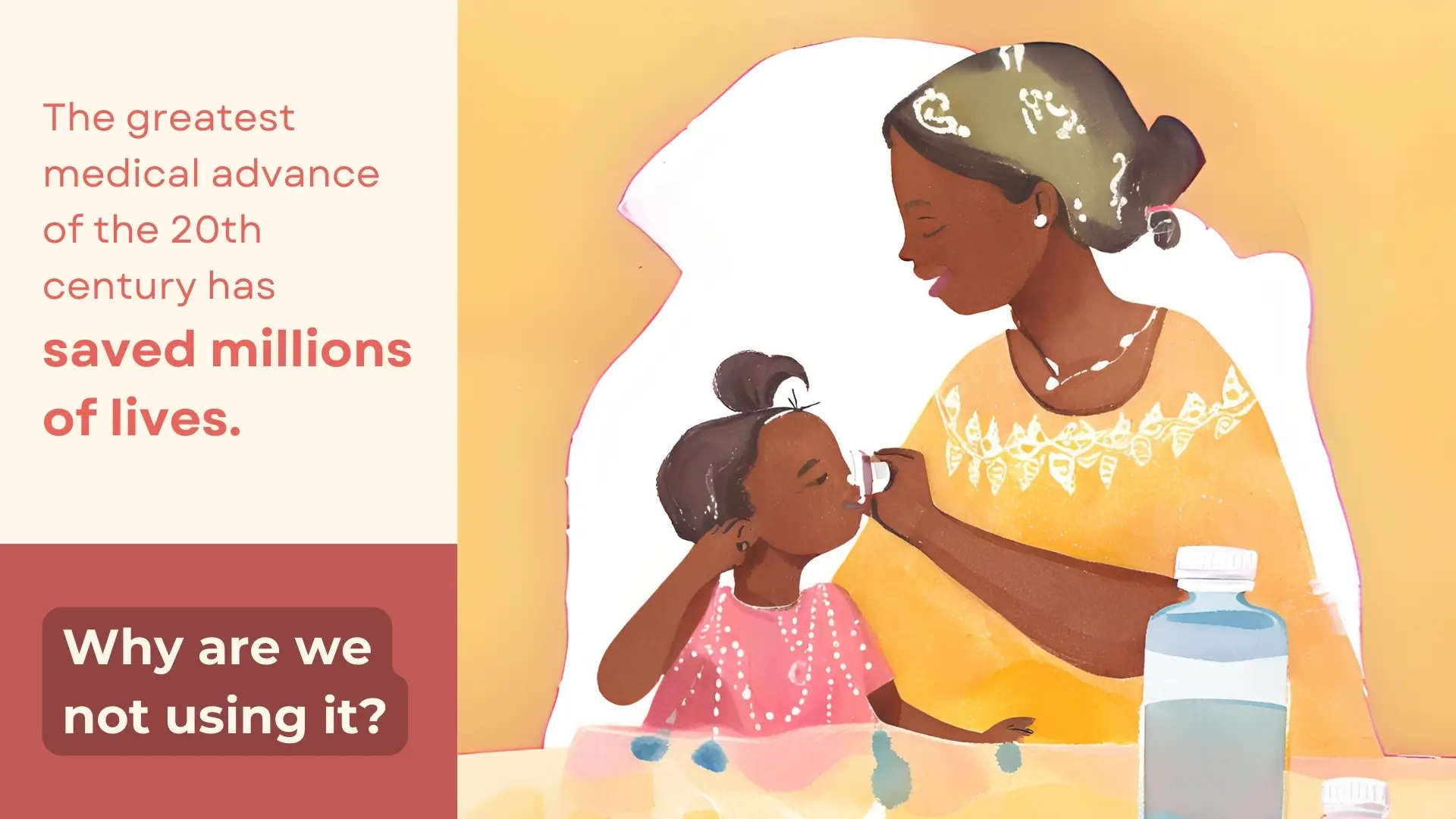
    It Is the Greatest Medical Advance of the 20th Century and Has Saved Millions of Lives. Why Are We Not Using It?

    This article is Part 1 of the series ‘Addressing Maternal and Child Health Challenges’ I published with the Boston Congress of Public Health as a Thought Leadership Fellow

    Salt, sugar and water. That’s all it could take to save a life. This combination, known as Oral Rehydration Solution (ORS)1, has been hailed by The Lancet as the most important medical advance of the 20th century. Between 1982 and  2007, it is estimated to have averted 50 million deaths due to diarrhea among children younger than five. While ORS does not cure or stop diarrhea, it replenishes lost fluids and salts, thereby preventing life-threatening dehydration. 

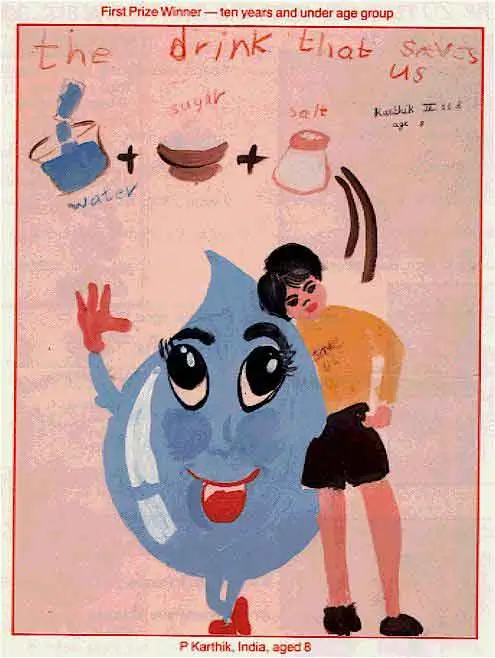
    The poster has a pink background. In the foreground is one bowl of salt, one of sugar, and a glass of water on the top. Below is a child hugging a water drop. It depicts that a combination of salt, sugar and water leads to a healthy child in cases of diarrhea.
    A winner of the Children’s Poster Competition by Dialogue on Diarrhoea, Issue 33 (June 1988), an international newsletter on the control of diarrhoeal diseases

    The treatment’s history is equally fascinating. While it had been used in clinical settings since the 1940s, Dr Dilip Mahalanabis was the first to deploy it at a large scale in field settings. During the Bangladesh war of 1971, 6,000 people were arriving in refugee camps in India every day, leading to overcrowding and cholera outbreaks.2 Without adequate intravenous saline solution or staff to administer it, Dr Mahalanabis and his team handed out ORS to the afflicted. The results were instantaneous and remarkable: mortality dropped from 30% to 1% in eight weeks. 

    Despite ORS being lauded as a ‘magic bullet‘, less than half of children with diarrhea received the treatment in 2022. By augmenting its use, we could potentially save an additional half a million lives a year.

    Reasons for Low ORS Uptake

    A systematic review of studies from 23 countries between 1981 and 2020 has analyzed the barriers and facilitators to ORS use. The review is fairly comprehensive, but given the long timespan and diverse locations it covers, not all the insights might be equally applicable to contemporary contexts or certain geographies. Availability, accessibility, and awareness have historically been major barriers, but over the years, many countries have made great strides in these respects. The study also points to the significance of design, adaptability, and cultural acceptability in interventions to promote ORS. Proper packaging and design can aid in the treatment’s correct use as well.

    But even where ORS availability, access, awareness and demand are not challenges, ORS use can remain subpar. 

    A recent Science study in the Indian states of Bihar and Karnataka found that it remains underprescribed. The reason? Healthcare providers assume that people do not want ORS even though in household surveys, patients reported it as their most preferred treatment. Despite being aware of its life-saving potential, healthcare providers prescribed the treatment to only 55% of those who expressed a preference for ORS. Among those who did not state a preference, 28% received the treatment. 

    The study’s authors have identified reasons for the underprescription: 

    1. Since the salts don’t cure diarrhea — they instead help avert dehydration — healthcare providers thought their patients wanted something more.
    2. Providers might think that patients would get ORS elsewhere (but they don’t).

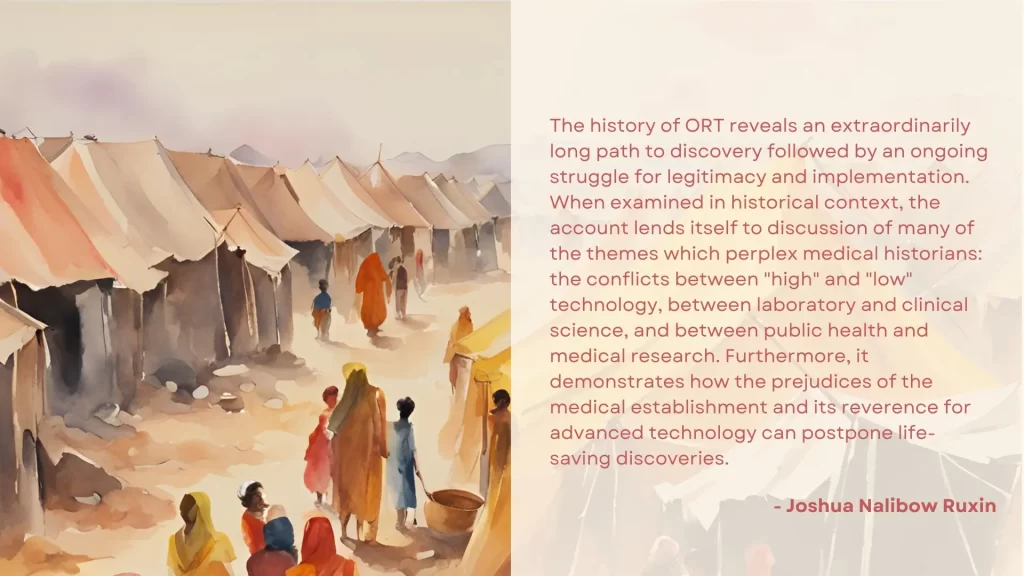
    In this case, one could say that ORS is a victim of its simplicity. This has been true of the treatment since its inception (see image below), an aspect that is often overlooked in conversations around its use.

    The image contains the following quote by Joshua Nalibow Ruxin: “The history of ORT reveals an extraordinarily long path to discovery followed by an ongoing struggle for legitimacy and implementation. When examined in historical context, the account lends itself to discussion of many of the themes which perplex medical historians: the conflicts between "high" and "low" technology, between laboratory and clinical science, and between public health and medical research. Furthermore, it demonstrates how the prejudices of the medical establishment and its reverence for advanced technology can postpone life-saving discoveries.” On the left is an AI-generated watercolour image with tents and silhouettes of people.

    The Scourge of Simplicity

    In this aspect, it reminds me of the public health intervention of washing hands before surgeries to prevent infections. In 1846, Hungarian doctor Ignaz Semmelweis found that doctors were transmitting infections to women in maternity wards by examining them after doing autopsies and that washing hands with chlorinated lime could prevent this. However, medical professionals derided him and his findings. While others echoed his claims, most notably Florence Nightingale, handwashing to prevent infections in medical settings became common only decades later.

    In certain contexts, underwhelming perceptions of ORS have filtered down to patients, who might prefer other treatments over it. We can address these seemingly counterintuitive choices only if we understand the motivations behind them. 

    In her book Underbelly: Childhood Diarrhea and the Hidden Local Realities of Global Health, Rachel Hill-Clifford writes: ‘If families do pay and take the time to travel to a healthcare facility, they want to be compensated for their efforts with a treatment perceived as strong and effective. ORT is not perceived as such a treatment[…] What may be classified as unnecessary or “irrational”[…] in resource-constrained contexts such as Guatemala makes sense given limited accessibility of healthcare.’

    With examples such as these, Hill-Clifford instantiates how larger equity and access issues can affect specific public health interventions, such as using ORS to treat diarrhea.

    Strategies to Increase ORS Use

    While ORS use is less than ideal at a global level and some countries have even seen a decline, others, such as Sierra Leone, Guyana, Malawi, and Bangladesh, have made remarkable strides in using it to cure diarrhea in children despite resource constraints. Both Guyana and Bangladesh achieved higher ORS coverage before their then wealthier neighbors, Trinidad & Tobago and India respectively.2

    Some strategies that have been successful to increase

    1. Building demand among consumers and healthcare providers through the mass media, social marketing, one-on-one messaging, and other communication channels.
    2. Increasing the availability and access of ORS through both the public and private sectors.
    3. Free distribution of ORS by community health workers where price is a barrier.

    Depending on the context, the solution could be deceptively simple. The Science study’s authors mention that since patients nudging doctors increased ORS prescriptions, just putting up a poster telling patients to ask for ORS rather than, say, antibiotics could be a way forward. Providers too thought it would give them more credibility when they prescribe ‘something as simple and basic as a pack of salts’.

    However, there is no one-size-fits-all solution. What may have worked in one location might be unsuitable for another. When implementing strategies to increase ORS use — or for that matter, any public health intervention — it is important to understand the local context and social determinants of health so that we can accordingly fine-tune them.

    Disclaimer

    Some of the visuals in this blog are AI-generated on Canva.

    Footnotes

    1. ORT (Oral Rehydration Therapy) refers to the proper use of ORS, but both terms are often used interchangeably.

    2. While this was historically true, in recent years, both Bangladesh and Guyana have had per capita incomes comparable to or even higher than that of India and Trinidad & Tobago.

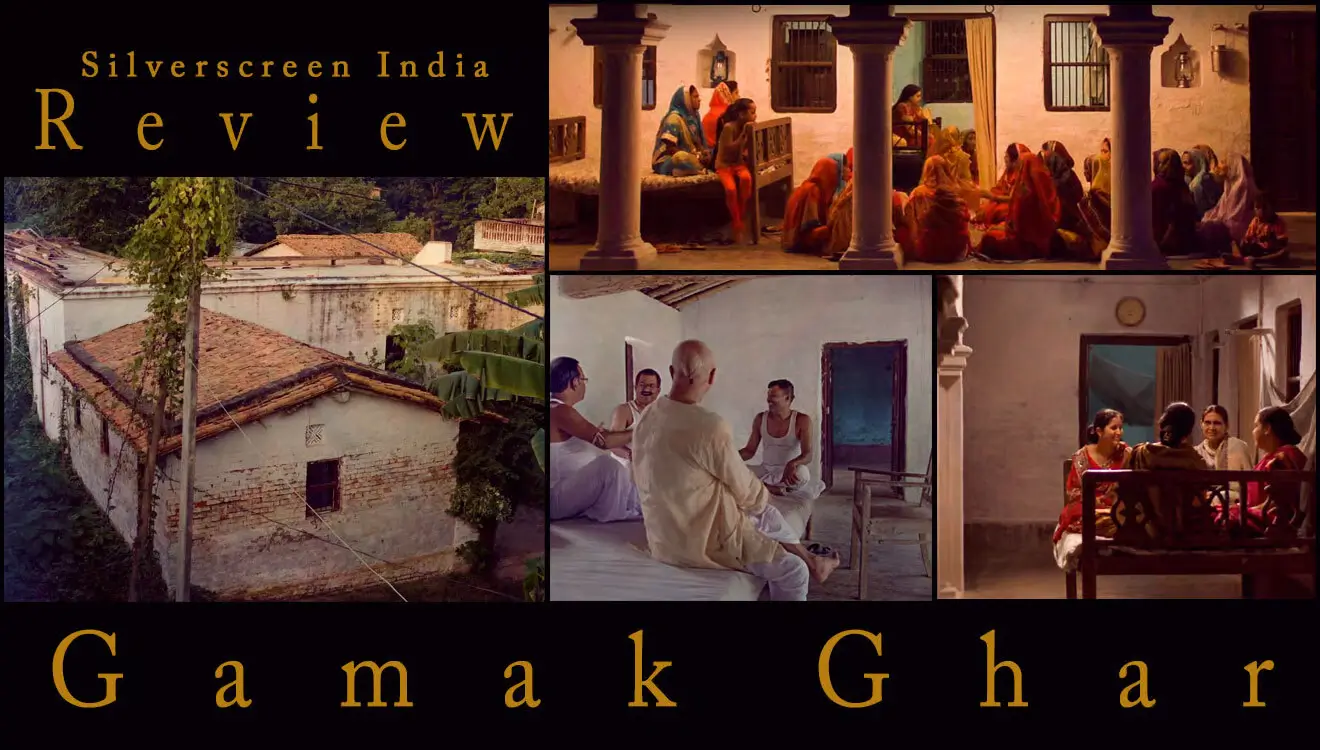
  • ‘Gamak Ghar’ Review: A Visual Feast Of Loss And Longing

    ‘Gamak Ghar’ Review: A Visual Feast Of Loss And Longing

    An edited version of this article featured in Silverscreen India

    ‘You want to know if there is anything good that can be said about Bihar?’ In Patna, an editor had asked Shiva Naipaul that question, and he answered, ‘The truthful reply is no. I cannot think of a single good thing to say.’

    – A Matter of Rats: A Short Biography of Patna, Amitava Kumar

    While Naipaul’s derision might be at the dire end of the spectrum, critiques of Bihar abound—some deserved, some unfairly reductive. Bollywood films largely depict it as a land of violence, crime and anarchy (for example, Shool, Gangaajal, and Apaharan). More recently, it was a setting for Half Girlfriend’s rags-to-riches protagonist to indulge his philanthropic urges. Most Bhojpuri films feed into stereotypes and perpetuate others with their sexist tropes.

    In this milieu, Achal Mishra’s debut fiction feature Gamak Ghar wrests the narrative to touch upon another aspect of Bihar—emigration. Decades of economic stagnation and social unrest have led to people across classes and castes leaving the state for a better life. According to the 2011 census, 7.5 million people migrated from Bihar to other parts of India, second only to Uttar Pradesh. About half the households in Bihar have at least one migrant. From January-June 2017, Bihar sent more workers to the Gulf than any other Indian state.

    Gamak Ghar, though, isn’t about migration, even though it is the pivot on which the film unfolds. The movie chronicles a Maithil Brahmin family’s ancestral house and the changes it undergoes over two decades. In 1998, the family comes together during the summer to celebrate the birth of a child and host a feast. They play cards, run errands, banter and watch movies on the VCR.

    In 2010, we see them congregating during the Chhath festival. Times have changed though—the film camera has given way to the DSLR and fritters to Maggi. The house bears signs of disrepair and tensions between family members come to the fore. Conversations seem stilted. Even the jokes are turning sour. Those who have made a life for themselves in Delhi and Darbhanga are prospering, while those in the village are struggling.

    By 2018, just the empty shell of the bungalow’s thriving past remains. With most of the people who made the house a home gone, the inevitable dawns—the old must give way to the new.

    https://www.youtube.com/watch?v=iDUqswof\_J0

    The languor of vacations in the village suffuses the first two parts—hide and seek, plucking mangoes, photography, skimming through memorabilia. The static long shots, often with little action in the frame, echo this torpor. With each passing decade, the aspect ratio widens and the warm tones and fuzzy visuals become colder and starker. The comfort and intimacy of the 4:3 aspect ratio of 1998 is a world apart from the widescreen frame of 2018, whose empty, alienating feel intensifies with the fog shrouding the village. Each part is shot in a different season—summer, autumn and winter. These distinct visual palettes reinforce the transformation the house undergoes.

    The dialogues, in Maithili, seem unscripted—as if we were overhearing a family’s quotidian conversations. Gamak Ghar is one of the handful of films in the language.

    The dialogues, however, are sparse and there isn’t much of a plot. In a sense, the home is the plot and the protagonist of the film. Even the cinematography emphasises the home rather than the characters. The camera frequently dwells on the geography of the house—the brick walls, pillars on the porch, window grills and the tulsi plant in the courtyard. Long and mid shots predominate, with the physical features of the house in the foreground or looming large in the background. There are hardly any close-ups, so we always see the characters embedded in their surroundings.

    Gamak Ghar enchants with its overarching attention to details. From the gleaming white walls of 1998 to the damp and blotches pockmarking it a decade later to the utter dilapidation in 2018, the excellent production design and cinematography make it seem as if the film were actually shot over two decades.

    As someone from Bihar, there was plenty that resonated even though I grew up in a different milieu—a Muslim family in Patna, far from the Mithila village of the film. The sloping roofs with clay tiles on serrated asbestos sheets; the Z-shaped projections on windows; the relatives asking, “Do you recognise me?”; the discovery of my forebears’ hand-written ledger books; and the distant thrum of folk music during Chhath were also part of my childhood. Watching Gamak Ghar was a delicious exercise in nostalgia.

    This nostalgia of the emigrant has lately permeated many works on Bihar. Amitava Kumar talks extensively about his reckoning with the state in Bombay-London-New York, his biography of Patna and several articles. The film Mithila Makhaan features a professional in Toronto who returns to his village in Bihar, only to find it irrevocably changed. A 2014 Bihar Tourism ad and Nitin Chandra’s Chhath music videos harp on traditions. These depict and are aimed at emigrants. There is even a Hindi novel, aptly titled Non-Resident Bihari, about the experiences of Biharis preparing for the civil services in Delhi.

    Delhi-based journalist Chinki Sinha describes this departure and reckoning with the past in an essay in the DailyO: “I left because that was the only thing to do. Everyone left. Growing up we wanted to leave Patna and its limited life, and so we lived in the future for the most part. Patna changed over the last 15 years that I have been away. There are malls and coffee shops, and even a discotheque now. But there’s a city that belongs only to you, and there’s a notebook with memories of those that are no more.”

    Gamak Ghar revels in memories of a home that nurtured generations—until they stopped nurturing it. Its nostalgia, however, is a narrow gaze tinted by the lens of idyllic vacations. Bihar’s feudal society, caste oppression and crumbling infrastructure are beyond its field of view. But these are stories for another film. Hopefully, Gamak Ghar will release the shutter to more movies that present the manifold realities of Bihar.

  • Thainess, Your Highness: Decoding Thai Culture at Museum Siam, Bangkok

    Thainess, Your Highness: Decoding Thai Culture at Museum Siam, Bangkok

    Why are there flip flops in this museum, I wonder. I consider if it’s a prank, but packets of instant noodles—endearingly nicknamed poverty index and dorm boy’s bae—on one side and a ‘lucky bag’ (a paper bag used in the sixties) on the other suggest a trend of sorts. The curious artefacts in this gallery, an information panel confidently vouches, can’t be found anywhere in the world apart from Thailand.

    While the flip flops, balms and beverages in plastic bags might be all too familiar to Indians, there are indeed objects unique to the country. The ‘coffee ears’, a flimsy strap of plastic looped around an iced coffee cup which keeps your fingers from getting clammy, or the cylindrical ticket vending contraption that bus conductors carry never failed to fascinate during my first few days there.

    These are some of the many oddities that make Museum Siam in Bangkok a delight. Set in a 19 th century neoclassical building, it is one of the youngest museums in Thailand; the Decoding Thainess permanent exhibition was founded in December 2017. In its 14 rooms spread over two floors, you will rarely find dusty relics entombed in glass cases. Rather, it is a playground of sorts, where you dig through cabinets, take selfies with cut-outs, make jigsaw puzzles, follow laser displays and revel in multi-sensory simulations. There are few signs directing you and it’s up to you to explore the museum the way you want it.

    I begin in a gallery lined with drawers. Among the endless trivia, I discover how the economic crash of 1997 led to formerly rich people selling their household goods, leading to the establishment of flea markets that are popular even today. There is information about trendy haircuts, the revival of Thai culture in public imagination in 1982 and the controversial ‘tuk tuk dress’ of Miss Thailand that won the Best National Costume award at Miss Universe 2015. But most interesting of all is the foreign origins of certain quintessentially Thai things.

    While the influence of Hindu mythology on Southeast Asian countries is well-known—there is a statue of Kali in the museum—not as talked about are the Indian origins of a formal outfit for men known as Raj pattern. It is a white jacket with five buttons and a Mandarin collar—like a Nehru jacket, albeit with full sleeves. King Rama V designed it on a visit to India in 1872; it was first made by a tailor in Kolkata and soon became a fixture in weddings and official occasions in Thailand.

    I drift from gallery to gallery, stopping only when I encounter unexpected commotion. Children are picking up plates and banging them onto tables, which light up with information about the food drawn on the plate. Here, I chance upon another unexpected tidbit: the pad thai, anointed as the national dish, is actually Chinese! In the ’30s and ’40s, nationalist leader Phibun reincarnated the Chinese stir-fried noodles as a Thai specialty. Ironically, he decried the expensive pork as a Chinese ingredient, resulting in a meatless stir-fry, to which people later added dried shrimp.

    Pork satay traces its origins to Arab grilled beef and is usually served with achar—a word that would be rather familiar to Hindi speakers. The desserts, thong yip and foi thong, both made from egg yolk, derive from the Portuguese trouxas de ovos and fios de ovos (which was also adapted into Mappila cuisine) respectively. Marie Guimar, a Catholic Japanese lady, introduced these treats to Thailand in the 17 th century.

    In the Degrees of Thainess gallery, there are mannequins sporting ‘Thai’ costumes. Along with the distinctive attire of Phra Ram in Khon, a performance of the epic Ramakien (Thai version of the Ramayana), there is one of Lady Gaga in a scanty outfit and chada (traditional headdress) she wore for a Bangkok concert in 2012 as well as Ronald McDonald performing a wai (namaste).

    The various galleries are fascinating exercises in storytelling; they tease out assumptions and fill in gaps, without providing any definitive answers. But when you’re least expecting it, the narrative shifts gears—for soon after Gaga, I come across a poster with concentric circles representing the degrees of Thainess, which places the royal family at the core of nationhood, followed by royal descendants and commoners, with ethnic groups at the periphery. Subsequent galleries, however, discarded the nebulous definition of Thainess for fealty to the king. As an exhibit fervently declares with a heart emoji: “We love the king”.

    The museum digs deep into the propaganda in a simulated classroom, which initially provides a fun setting to relive school. I sit on the bench, shuffle through desks and flip through textbooks. And then, I espy an explainer: “Students were taught for the first time to stand up straight singing a song to salute the national flag at 8 am.” But even the heady patriotism of that line does not prepare me for what follows: “They were indoctrinated to be patriotic and submissive to the leader.”

    While I can grasp the underpinning of the king in light of Thailand’s turbulent politics, I find it hard to reconcile the contradictory messages. Regardless, it gives me interesting insights into a country that I had been only exploring through its tourist attractions—and remarkably, the most fun I’ve ever had in a museum.

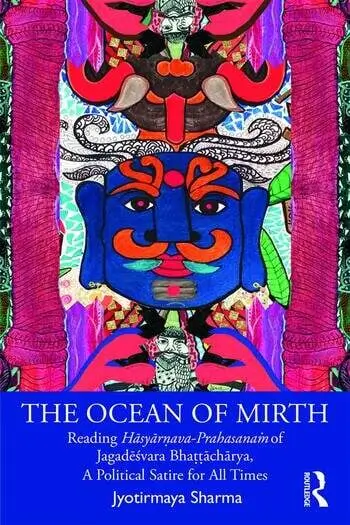
  • Sex, Subversion, and Sanskrit: Review of ‘The Ocean of Mirth’, a Bawdy Sanskrit Play

    Sex, Subversion, and Sanskrit: Review of ‘The Ocean of Mirth’, a Bawdy Sanskrit Play

    “Bound together by vine-like arms in sexual union, their exertion makes the unctuous sandal on their bodies gather with the steaming perspiration.” With its unabashedly sexual opening, the medieval Sanskrit comedy Hasyarnava-Prahasanam (The Ocean of Mirth) sets the tone for a riotous satire. Its outlandish humour punctures social norms, undermines hierarchies and lampoons religious strictures.

    Commentators of Sanskrit literature tend to divine mystical unions with god even in the most lurid of texts. The dalliances of Radha and Krishna in the 12th-century Gita Govinda, for instance, are explained away as the merging of the individual soul with the universal consciousness. Same is the case with Urdu and Persian literature — scholars often subsume sex into the metaphysical.

    Where sexuality is acknowledged, carnal descriptions are often cloaked in the garb of ‘eroticism’ to make it seem more literary. In his introduction to the anthology Erotic Poems from the Sanskrit, R Parthasarathy writes, “These poems reflect a culture that celebrates the pleasures of the flesh without any inhibition in a language that never gives offence, that never crosses the line but always observes the canons of good taste.” While such works indeed exist, there is also the crass, the offensive, which crosses the line with utter disregard for good taste and thus, does not find a spot in the literary canon. While we hear about Kalidasa and Banabhatta’s masterpieces, texts like Hasyarnava-Prahasanam remain obscure.

    A new translation, however, seeks to fill this literary lacuna. Jyotirmaya Sharma, Professor of Political Science at the University of Hyderabad, has rendered the satire into English and prefaced it with an incisive commentary. Compared to a 1976 translation by Ram Dayal Munda and David Nelson, his version is more successful at conveying what he deems “the original’s sparkling quality and unsettling energy”.

    The play transpires in the house of Bandhura (Inclined-Vulva), an ageing prostitute who “keeps count of paramours by counting the wrinkles on her body”. It begins with the king paying her a visit. He confesses he has not been able to keep track of civic matters because he is too busy plotting how to have sex with other men’s wives. As more characters enter the scene, we see the chaos enveloping their world. Ranajambuka (Jackal-of-War), the army chief, proudly shares his exploits of hollowing a bee with his sword, but faints at the sight of blood. Raktakallol (Joy-in-Blood), the barber, prefers cutting his clients’ arteries to their hair and nails. Mahanindaka (Might-Censurer) claims he has composed the Vedas instead of Brahma, whom he decries as silly. Two other brahmins and their pupils are among the many lusting after Bandhura’s daughter, Mrgankalekha (Streak-of-the-Young Moon’s-Crescent).

    The play echoes the sexual anarchy of Marquis de Sade (albeit without the violence or cruelty). The society in which it unfolds might come across as plumbing the depths of degeneracy. It, however, is not a moralistic tale highlighting evil and incompetence to warn of their dangers. In its all-encompassing anomie, there is no ethical compass one can seek recourse to. That makes it all the more interesting and open to interpretations.

    In his commentary, Sharma draws from various concepts, such as the king-brahmin relationship, in Kautilya’s Arthashastra and notions of dharma from the Mahabharata and Manusmriti among other texts to situate the satire. “It envisions disorder as the precondition for any concept of freedom,” he explains. “In exhibiting defiance, it warns us that a mindless quest for order, efficiency, safety and comfort can only lead to violence, cruelty, inequality and injustice… it offers a messy, fragile and chaotic sense of freedom.” For Sharma, this ungrounding of moral certainty anticipates the post-truth world and makes it a “political satire for all times”.

    Hasyarnava-Prahasanam also comes across as a subversive manifesto for egalitarianism. Bandhura is considered well-born because “even an outcaste from the lowest caste does not drink water at her house”. The characters mock each other — even the young Mrgankalekha ridicules the old men and the king is not spared — but the narrative treats them all the same. If anything, it lauds the prostitutes while highlighting the faults of those at the top rungs of society — the king, courtiers and priests. Its mockery of the brahmin characters harks back to the critiques presented by Carvakas, ancient Indian materialists who ridiculed rituals and metaphysical claims. Kalahankura (Tumour-of-Strife) wonders what is the point of studying the Vedas, worshipping the sun, serving his guru and attaining heaven if these do not help him embrace Mrgankalekha’s “urn-like lofty breasts”.

    For all its brilliance, little is known about the text or its author Jagadesvara Bhattacharya. While some have dated it to as late as the mid-18th century, Sharma weighs in on the different contentions and pegs its composition to sometime between the 14th and 17th centuries. “The usual signs used as internal evidence to date a text are unavailable. There are no references to Muslims, Jesuits, gunpowder, local gods and goddesses, folk or tribal traditions,” he explains. “Brahmins continued to write poetry and prose in Sanskrit, almost till the 19th century, inhabiting an altogether different temporality, ignoring historical events with benign condescension.”

    It is unfortunate that despite the rich heritage of Sanskrit literature spanning millennia, non-scholars know little beyond the epics and ‘the Shakespeare of India’, with an occasional nudge and wink to Kamasutra. Most think of Sanskrit as a repository of religious traditions, but it is also a fount of wit, humour, engaging storytelling and startling insights.

    In recent years, translators have rendered some lesser-known Sanskrit works into English. Notable among these are the publications of the Clay Sanskrit Library and the Murty Classical Library of India. While ancient Sanskrit literature from the “Golden Age” is usually foregrounded, former diplomat AND Haksar has translated medieval texts such as Srivara’s Kathakautukam, Vallabhadeva’s Subhashitavali and Kalyan Malla’s Suleiman Charitra. Srivara’s 15th-century play is an adaptation of a Persian love story that incorporates references from the Abrahamic religions and invokes Muhammad along with Shiva.

    Hasyarnava-Prahasanam’s milieu might not be as eclectic, but it is an intensely fascinating, thought-provoking work. Sharma’s translation and commentary are invaluable contributions that make this satire accessible to a new generation of readers.

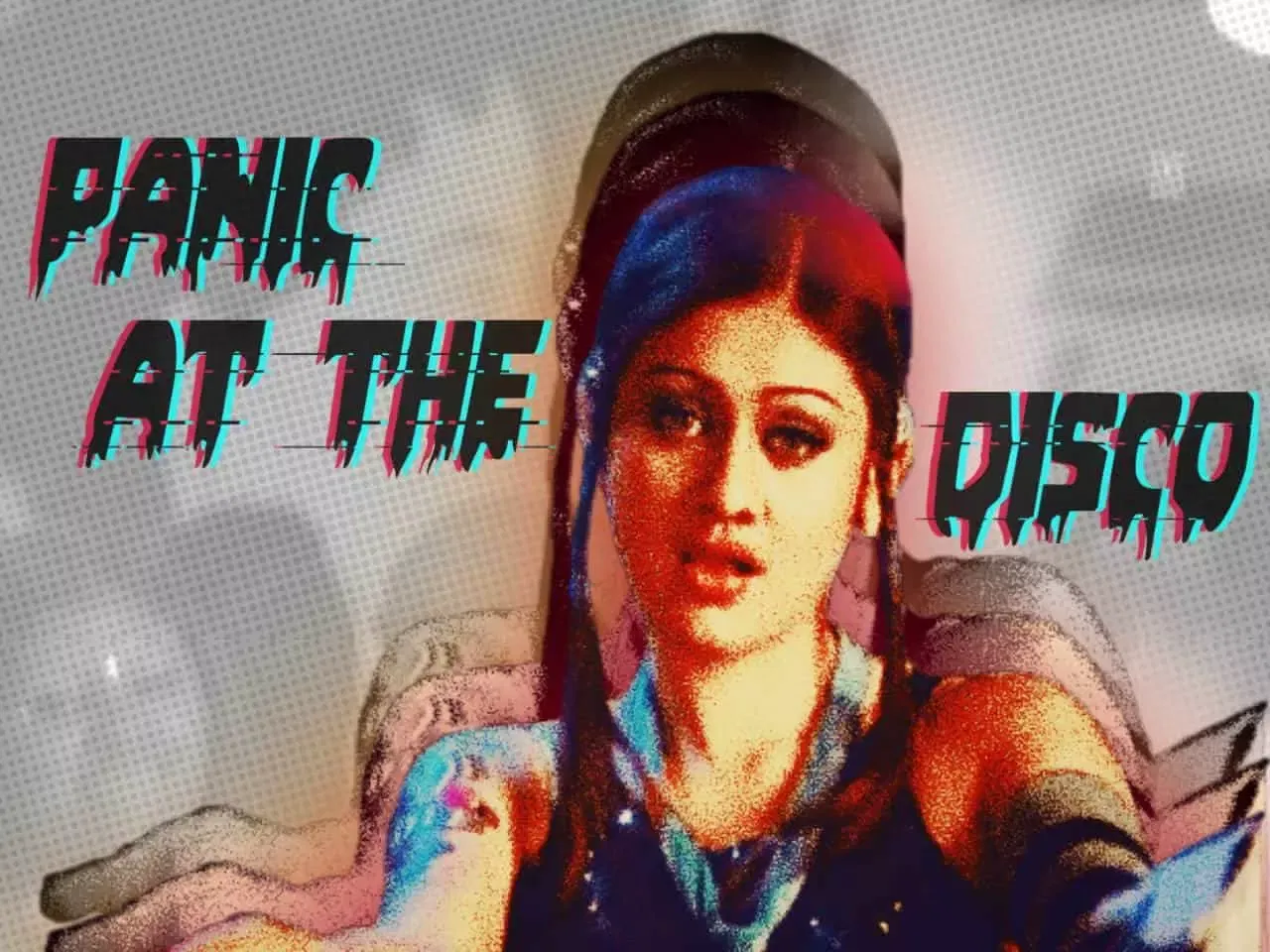
  • Thongs, Tushies, and Cleavage Tattoos: ‘Kaanta Laga’ and the Makings of a Millennial Moral Panic

    Thongs, Tushies, and Cleavage Tattoos: ‘Kaanta Laga’ and the Makings of a Millennial Moral Panic

    An edited version of this article was published on News Nine in January 2022.

    A television in the living room brought the world into our lives before we had access to little portals in our hands. Unlike the solitary affair that swiping through a mobile phone is, watching television was usually a communal experience. And that’s why the Kaanta Laga music video, released in 2002, cut deep grooves into my consciousness.

    The remix of a 1972 song from the Bollywood film Samadhi became an obsession because it was so hard to steal a glimpse of. The music video was infamous for scraping the depths of depravity, so we had to change the channel whenever the song’s signature “Aaaaah…everybody now” erupted on screen.

    There were a couple of times I happened to be alone and the video started playing. But the fear of my parents catching me watching “dirty things” and the unimaginable consequences that would follow made me shut it after a handful of seconds.

    From those transient viewings, I tried to piece together what was so opprobrious about the video. Was it the cat-paw tattoos astride a clubber’s cleavage? Was it the nude man on a magazine cover? Or was it the blue string-like contraption (‘thong’ infiltrated my vocabulary much later) that defiantly rose above the lead, Shefali Jariwala’s jeans? I would never know, for I never saw the complete video.

    Puberty had still not appeared on the horizon and pornography hadn’t infiltrated my vocabulary. Dial-up internet speeds were useful only for chats, emails and Flash animations, so there was not much I could do about my frothing curiosity.

    As powerful as the mystery regarding the source of moral panic were the rumours that floated in the video’s wake. Jariwala had died because of cancer brought about by the plentiful tattoos on her body, my sister reported. Other versions mentioned the death of another inked woman and some conveniently killed both. We didn’t have WhatsApp then to fuel rumours, but the scanty penetration of the internet also allowed gossip to simmer unverified for years. A couple of years later, Jariwala snuck into the news, but the supposed death of the other woman survived as a cautionary tale about the dangers of tattoos.

    Kaanta Laga dominated conversations for months. Even the Information & Broadcasting Ministry termed it “objectionable” and “indecent” and eventually banned it, though some channels continued screening the video. Ironically, it went on to receive the Best Contemporary Music Award by the government-run Sangeet Natak Akademi, that too the first time the award category was instituted.

    With time, the video retreated from television screens and Jariwala from public memory. But the internet never forgets. And so, two decades later, YouTube’s sneaky algorithm thrust Kaanta Laga into my playlist. It was a precious moment. Finally, as an adult free of parental supervision, I could watch the video in its entirety. And so it began with the familiar exhortation of aah…

    I was appalled — and not because of the purported vulgarity. It was hard to believe that something as innocuous as the video could have provoked a moral emergency. It merely brought to mind some of the highly questionable fashion choices of people in the early aughts (including myself).

    But more comforting than the unravelling of the video’s ‘mystery’ were the comments below. Turns out it was not just my uncool, morally upright circles that propagated rumours — many comments mentioned the cancerous tattoos, and deaths brought on by the purported depravity. Nor was I alone in changing the channel or not being allowed to watch the video. It seems as if the entire nation had suffered that. “Today’s kids will never understand the level of risk in watching this song in our childhood days,” writes YouTube user Ding Dong, to which people chime in with “Omg seriously lol” and “True… ???”.

    The comments under the video were a treasure trove of bizarre trivia. I discovered another rumour — that Jariwala’s brother killed her after the video came out. Others pointed out that the magazine with the nude guy on it, which caused much consternation to the boy she was wooing, was a gay magazine! It also struck me — two decades late — that the thorn and fruit in the song lyrics (Kaanta Laga means a thorn pricked me) were not of the botanical kind.

    The comment I could identify most with was, “Why it was considered vulgar in past? it doesn’t look [so] now!” Why indeed. Sure, that was an era when people “read” porn rather than watched it, but was seeing someone browse a smut rag onscreen so unsettling? The thong then? But Jariwala is rather clad — after all, she’s wearing jeans on top of the thong!

    I got a clue after reading an essay by Imaan Sheikh. The remix videos of the 2000s, she writes, “had an unintentional side-effect: the accidental mainstreaming of women’s independent sexuality, as audiences indulged in videos of women having a damn good time.”

    It struck me that the Kaanta Laga video’s most remarkable aspect is Jariwala’s self-assurance and the gusto with which she revels in her sexuality. This angers her romantic interest. Regardless, she woos him while continuing to defy his wishes. Towards the end, she seems apologetic and sets alight the porn magazine to appease him. However, as she walks out of the club — boy in arms, unburnt magazine tucked in her jeans — it’s obvious she’s anything but.

    Nudity and skin show had been around for decades in Indian cinema, but female sexual assertiveness for its own sake rather than for men’s pleasure? An instance that comes close is Choli ke Peechhe in the film Khalnayak, which also faced puritan wrath. Many writers have pointed out its queer subtext and how it portrayed women as sexual subjects rather than objects. I can’t think of similar precedents on Indian television.

    While Kaanta Laga has shots pandering to the male gaze, it is largely about Jariwala having a great time dancing, flirting and checking out men — in flesh or in an erotic magazine. That perhaps riled the prudish more than the thong, or the nude man.

  • Losing (and Finding) My Way in Erawan National Park, Thailand

    Losing (and Finding) My Way in Erawan National Park, Thailand

    An edited version of this article was published in The Indian Express in May 2019.

    Despite the well-intentioned advice of travel bloggers suggesting less trodden alternatives, I chose to go to the touristy Erawan National Park. It was the photos of pools spanning a gamut of colours (digitally enhanced, they said) and its proximity to Bangkok that brought me here. After a three-hour journey on a WWII-era railway line from the capital, I reached Kanchanaburi. From there, Erawan National Park is a 90-minute bus ride away. It is located in a 550-sq-km section of the Tenasserim Range, a 1,700-km-long mountain chain that forms a natural boundary between Thailand and Myanmar. 

    The lowest tier of the falls lived up to the supposedly photoshopped images I had seen. Under a canopy of rattan, makha, bamboo and woody vines, the water dashed into limpid pools. As the sunlight flitted through the foliage, the stream segued between emerald, cerulean and a host of other hues. In the clear waters, I could see abundant fish, which unsuccessfully tried to take cover from the splashing children. I stood transfixed, but eventually had to leave as I wanted to visit the six other levels, of which the last was a 2-km trek from the entrance.

    The second level shelters a little cavern under the waterfall, while at the third, water falls from quite a height. After this, the path becomes steeper. The fourth has smooth rocks that people use as water slides.  I had planned to take a dip in the highest level, but by the time I reached the fifth, I was soaked in sweat. I dangled my feet in the stream, but immediately recoiled – tiny fish begin nibbling at your skin! While I had experienced fish spas in waterfalls before, the scale of the assault was unprecedented. It took an hour to acclimatise myself to the ticklish sensation and get over the fear (induced by irresponsible travel bloggers) of the foot-long fishes tearing chunks off my body. Once I began swimming, however, the critters moved away and I could finally bask in the surprisingly cool waters. Afloat on my back, I enjoyed the patterns the forest canopy drew against the cloud-studded sky.

    While Erawan is famous as a seven-tiered waterfall, there are countless cascades along the stream, each forming cosy pools. As in most of Thailand, references to Indian mythology are never far away. The highest tier of the waterfall, with its three cascades on bulbous rocks, is said to bear a resemblance to Erawan (Airavata in Sanskrit), the three-headed elephant who was the mount of Indra and has several shrines dedicated to him across the country. 

    During my visit, the park was fairly packed – even though I was visiting on a weekday in the low season. However, the crowds are rarely overwhelming as the trail is wide enough and there are quiet niches all along. Besides, few of the day trippers make it to the higher levels. Regardless, for such a treaded destination, Erawan is remarkably clean – I could not spot a single piece of plastic along the trail or the stream. It helps that picnicking isn’t allowed beyond the second level and there are plenty of park rangers who keep things orderly.

    As the sun drooped towards the horizon, I rushed out to make it to the seventh tier before closing hours. The path from the fifth level onwards was slightly trickier. I occasionally had to clamber over rocks or negotiate precarious wooden ladders. After another dip at the highest level, I retraced my steps to explore the ‘nature interpretation’ trails I had seen on the map at the entrance. 

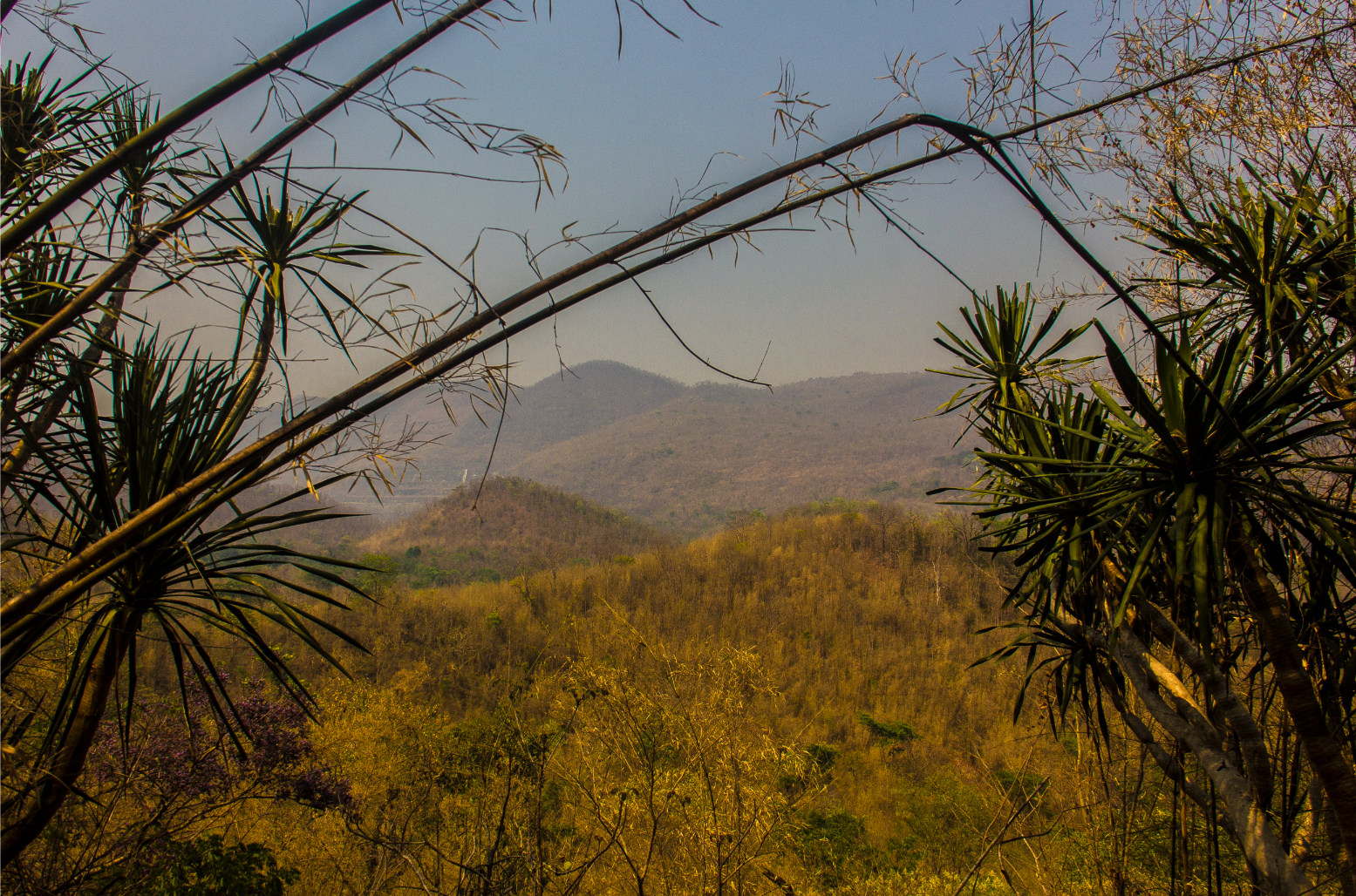
    One ran along the stream, while another cut through thick bamboo groves. The former ended soon after it began and the latter was largely unremarkable, until I came to a fork in the road, which, interestingly, did not figure on the map. I did what would have made Robert Frost proud and after an hour of walking alone, reached the summit of a hill. Through the gaps in the thick vegetation, I could see the surrounding mountains, all crackling golden in the parched weather. I had no idea where I was, but was glad to preside over this little piece of paradise. 

    View of the Erawan National Park from a hiking trail. Photo by Syed Saad Ahmed

    I was so engrossed in the view that I didn’t realise I had missed the last bus back to Kanchanaburi. I darted back to book accommodation in the reserve before the visitor centre closed down. I wasn’t expecting much, but as I crossed the rickety rope bridge to the campsite, I was astounded. It was a grassy expanse fringed by tall trees and the Khwae Yai river, over which loomed hills. And the best part – you could pitch your tent right next to the stream! The crowds also disappeared – just four other people stayed at the camp that night.

    The camp in the Erawan National Park. Photo by Syed Saad Ahmed

    The next morning, I was woken up by the sunlight filtering through the tent. It was remarkably cold – more so since it was peak summer. I stepped out to see the sun edging out from a mountain peak, its shimmering rays rippling in the water. A thick mist smoldered over the river and the trees were aflutter with birdsong. Ensconced by the bank, I relished the most beautiful sight of my fortnight-long trip in Thailand.

    Sunrise over the Khwai Yae river. Photo by Syed Saad Ahmed

    Related Articles/Blogs
  • Superfoods on the Sidewalk: A Guide to Foraging in Cities

    Superfoods on the Sidewalk: A Guide to Foraging in Cities

    This article was originally published on VICE in September 2020.

    My neighbourhood in Delhi, India’s capital city, offered a surprising treat during the pandemic—pavements and parking lots began to resemble a supermarket shelf bursting with greens. Perhaps, that was just another manifestation of nature “healing” during the lockdown or maybe it was the deserted streets and negligible traffic that allowed me to notice what had always been there.

    Most people might dismiss these plants as mere weeds, an insignificant part of the urban backdrop. But these greens are not only superfoods that would command a premium in artisanal groceries, but also delicious and versatile. Right in front of my house, a small patch has amaranth, purslane and wood sorrel, which I have used in stir-fries, salads, smoothies, pickles, soups and as a garnish.

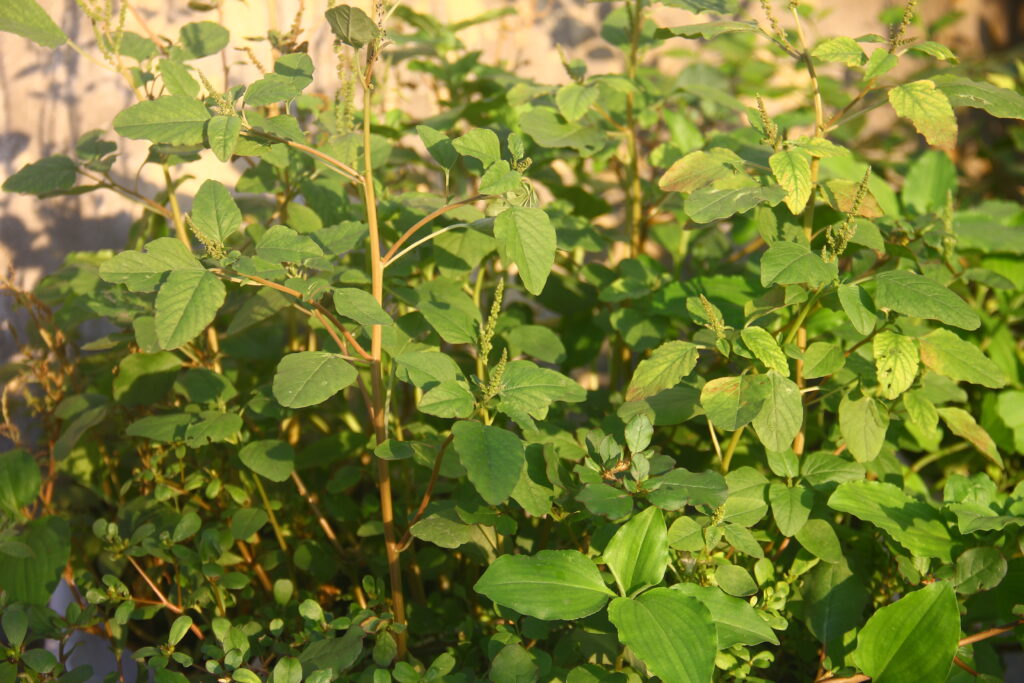
    Amaranth growing along Ring Road, Delhi. Photo: Syed Saad Ahmed

    The spare time the lockdown offers and uncertainty about the future and food supply have spurred interest in foraging—practised by indigenous communities across the world. “I used to conduct edible weed walks before the pandemic,” Auroville-based ecologist Nina Sengupta tells VICE. “There was a lot of interest, participants were enthusiastic, but it largely remained an intellectual exercise. After the lockdown, however, people have started using the knowledge they had gathered, experimenting with recipes and seeking out new plants. I have been getting a lot of queries about what a certain plant is, whether it’s edible and how to incorporate it in meals.” In June 2020, Sengupta began a YouTube channel, Edible Weed Walk, where she posts video and audio foraging guides.

    Nina Sengupta conducting an edible weed walk. Photo: Anandi Zhang

    While many associate foraging with the countryside, “there is remarkable biodiversity in cities too,” says activist Shruti Tharayil. “I am in a village in Kerala during the lockdown, but I started foraging when I was living in a city.” Her initiative Forgotten Greens seeks to reclaim and revive the age-old practice of foraging for wild greens and edible plants.

    But how does one know which weeds are edible? Sengupta has some good tips to offer: “A basic principle of foraging is that you eat what you recognise—otherwise, you could get into trouble. In traditional vegetable markets in cities, you will often find elderly women selling wild greens on the fringes or footpaths outside. They usually forage for themselves and sell the extra produce in small bunches. You can visit these to identify and taste the common edible weeds in your region before you start foraging.”

    The best places to forage in cities are at the edges of gardens and in vacant plots, especially after rains. “In public parks, gardeners generally don’t use pesticides and herbicides, though it’s best to confirm that,” says Sengupta. “You should avoid eating plants growing along gutters and busy roads because some edible weeds, such as those of the Amaranthus genus, absorb heavy metals from the soil. These places, however, are excellent to observe wild greens and collect seeds.”

    Edible weeds growing along Ring Road, Delhi. Photo: Syed Saad Ahmed


    Certain edible greens can be dangerous in large quantities or for those with specific medical conditions, so research is vital. There are many resources—apps to identify plantsguidessocial media accounts and even colouring books—to help the novice forager.

    Foraging is also an easier alternative to growing your own food. While I embraced my millennialhood and blossomed into a plant parent years ago, I am no good at cultivating edibles. My achievements include tomatoes as big as grapes and a chilli plant that tempts me with flower showers, but has produced only six fruits in two years. I gave up on those attempts once I discovered that I could have my weed and eat it too. The very qualities that make weeds a nuisance for farmers and gardeners—their profusion, persistence and adaptability to different growing conditions—are a blessing for foragers.

    While there is research on the impact of gardening and green spaces on mental health, no comparable studies have been done on the benefits of foraging. “In my seminars and presentations, I ask people to imagine a place where they would like to be if they had no restrictions,” says Sengupta. “The answer invariably is somewhere in nature.” For city-dwellers who might not have access to a garden or green spaces, foraging provides an opportunity to connect with nature and seasonal cycles. Personally, spotting a new patch of wild greens in my neighbourhood or coming across a plant that could potentially be edible provides an element of novelty that is hard to come by in these locked-down times.

    As the pandemic makes starker the impact of human activities on the environment, some emphasise how foraging has helped them adopt a more sustainable lifestyle. “My life journey has been about reclaiming autonomy,” says Tharayil. “I don’t want to be dependent solely on the market, so I try to localise and decolonise my food through foraging. It has reduced my food miles and carbon footprint.”

    Shruti Tharayil (left) foraging

    Kamana Gautam, a Hyderabad-based nutritionist, describes foraging as a “liberating” experience: “When we don’t know about the food growing around us, we think that only the greens wrapped in plastic in a market are edible,” she says. “It was liberating to know that the plants I was stepping on were more nutritious than what I was buying at stores. I see people posting about kale and other non-native greens assuming that they are healthier. But here you have organic food fresher than something imported from across the world. Besides, it’s completely free and does not use up any resources.”

    Purslane (bottom left), amaranth and Commelina benghalensis (bottom centre) are easy to find in Indian cities. Photo: Syed Saad Ahmed

    I had a similar epiphany a month ago. It began with a craving for pesto, but I could not find sweet basil. One day, I came across a bright patch of wood sorrel, seemingly untouched by the ubiquitous garnishing of chewed-up paan. As I bent down for a closer look, a sweet, pungent smell assailed me. I immediately recognised it as basil, but the plant it was coming from seemed different. It did, however, have the flower patterns of tulsi (or holy basil), which belongs to the same family as sweet basil. While I could not identify it (nor could the plant apps), it tasted spicier and more bitter than sweet basil, though not as overpowering as tulsi. And that’s how I ended up dipping toast in a kind of a delicious pesto when I least expected it. As Foraging Gump would have said, “You never know what you’re gonna get.”

  • Rock A Doodle Doo: Profile of the Artist Santanu Hazarika

    Rock A Doodle Doo: Profile of the Artist Santanu Hazarika

    An edited version of this article was published in The New Indian Express.

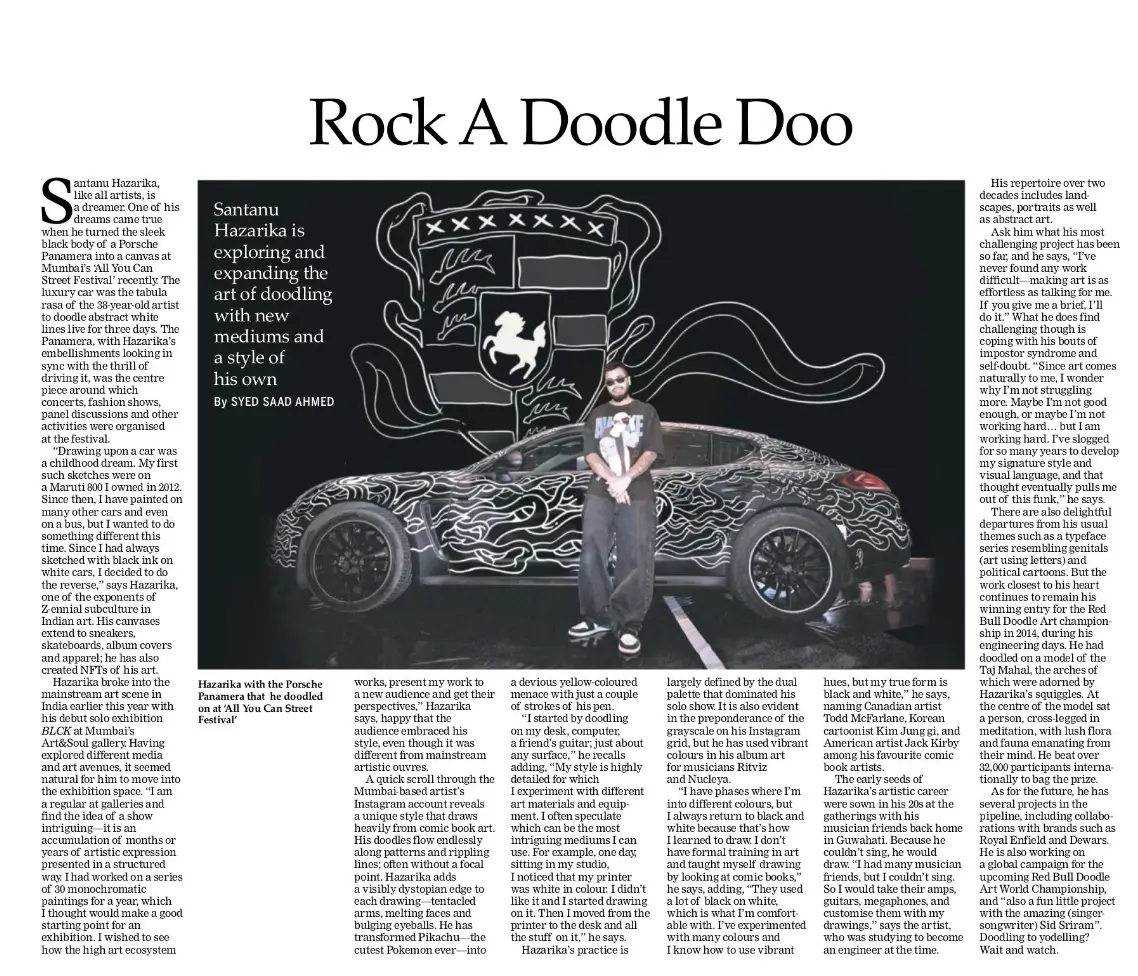
    Santanu Hazarika’s latest artistic medium is a Porsche Panamera. He doodled on the car for three days at the All You Can Street Festival in Mumbai. “It was a live performance,” he says. “The Panamera was the centrepiece around which concerts, fashion shows, panel discussions and other activities were happening.”

    “Drawing on a car was a childhood dream—it’s an iconic canvas. The first one I sketched on was my Maruti 800 in 2012. Since then, I have painted on many other cars and even a bus. But I wanted to do something different. I had always sketched black on white cars, so I decided to do the inverse: draw white on a black car.”

    Apart from vehicles, Santanu’s art has materialised on canvas, sneakers, skateboards, album covers, apparel and as NFTs. “When I started doodling, I would do it on my desk, computer, a friend’s guitar, just about any surface,” he says. “My style is highly detailed and I experiment with art materials and equipment to execute that. I often think about the most intriguing medium I can draw on. For example, one day, sitting in my studio, I saw that my printer was all white. I didn’t like it that way, so I started drawing on it. Then I moved from the printer to the desk and all the stuff on it.”

    He traces this habit to his lack of musical talent. “I had many musician friends in Guwahati, where I’m from, but I couldn’t sing,” he explains. “So I would take their guitars, megaphones, amps, etc. and customise them with my drawings. I guess that’s why I’m drawing on a supercar today.”

    Santanu’s doodles seem to flow endlessly along patterns and rippling lines and often do not have a focal point. While he has used vibrant colours, such as in his album art for the musicians Ritviz and Nucleya, his Instagram grid has a preponderance of the grayscale.

    Regarding this predilection, Santanu says, “I have phases where I’m into different colours, but I always return to black and white because that’s how I learned to draw. I don’t have formal training in art and taught myself by looking at comic books. They used a lot of black on white, so that’s what I’m comfortable with. I’ve experimented with diverse colours and I know how to use vibrant hues, but my true form lies in black and white.”

    This colour palette also featured in his first solo exhibition, BLCK, held in February 2022 at art&soul, Mumbai. “After exploring different media and art avenues, it was natural to opt for an art exhibit. I am a regular at galleries and found the idea of a show intriguing—it is an accumulation of months or years of artistic expression presented in a structured way. I had worked on a series of 30 monochromatic paintings for a year, which I thought would make a good starting point for an exhibition. I wanted to see how the high art ecosystem works, present my work to a new audience and get their perspectives. Thankfully, people embraced my style, even though it’s different from what you usually see at galleries.”

    When I ask him about his most challenging project, he says, “I’ve never found any work difficult—making art is as effortless as talking for me. If you give me a brief, I’ll do it.” What about his bouts of impostor syndrome and self-doubt, which he’s confessed to on Instagram? “Since art comes naturally to me, I sometimes feel like I’m not struggling enough,” he replies. “I think, why am I not facing more difficulties? Maybe I’m not good enough, maybe I haven’t explored much, maybe I’m not working hard… but I am working hard. I’ve slogged for so many years to develop my signature style and visual language. That thought eventually pulls me out of this funk.”

    Indeed, Santanu’s work is quite prolific. There are also delightful departures from his usual themes, such as a typeface series resembling genitals and political cartoons. But the work closest to his heart is his winning entry for the Red Bull Doodle Art championship in 2014. He had doodled on a model of the Taj Mahal, his squiggles adorning its many arches. In the centre is a person seated cross-legged in meditation, with lush flora and fauna seemingly emanating from his mind. “I was miserable doing engineering then and failing in all subjects, so that doodle became the turning point in my life,” he says. “Thanks to doodling, I learned to design, sketch and draw and reached where I am now.”

    Print version of the article published in The New Indian Express