Tag: Boston Congress of Public Health

  • How We Can Make Global Health Programs More Effective and Equitable?

    How We Can Make Global Health Programs More Effective and Equitable?

    This interview was published on the Boston Congress of Public Health’s website.

    Before Dr Rachel Hall-Clifford moved to Guatemala to study childhood diarrhea, she could not fathom why many kids were dying from the disease. Oral Rehydration Therapy (ORT) has helped prevent millions of deaths from diarrhea for over half a century. Compared to other public health interventions, it is fairly easy to provide. Yet, diarrhea remains the third leading cause of death in children under five globally.

    As Dr Hall-Clifford spent time in Guatemala, she realized that low ORT use was just one symptom of a public health system in crisis. Socioeconomic disparities and neoliberal policies, among other factors, have led to poor health outcomes, with the country’s indigenous Maya communities disproportionately bearing the brunt.

    In her book Underbelly: Childhood Diarrhea and the Hidden Local Realities of Global Health, published in 2024, Dr Hall-Clifford explores how international development and global health programs have been inimical to health equity and access. Despite their seemingly good intentions, they often cause harm by not considering communities’ lived experiences, unilaterally imposing ‘solutions’, and prioritizing technocratic approaches at the expense of primary care. [See Glossary #1 for details]

    I spoke to Dr Hall-Clifford to explore how we can make international health programs more responsive to marginalized communities’ needs, how public health professionals from high-income countries can promote global health equity, and her co-design initiatives for improved maternal and child health in Guatemala.

    Insights from Dr Rachel Hall-Clifford

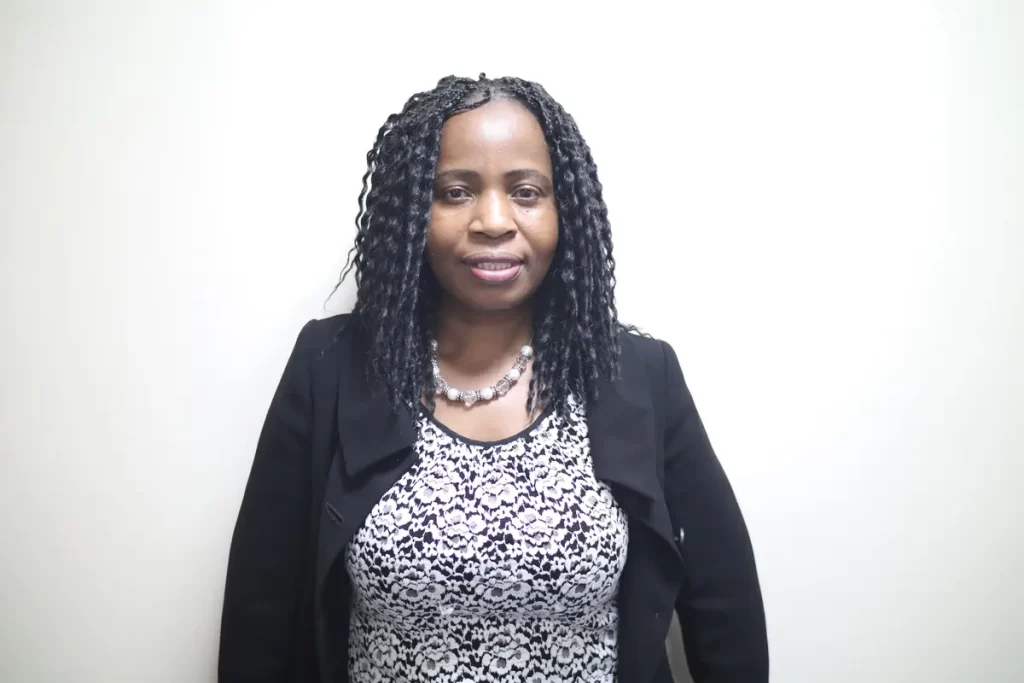
    Dr. Hall-Clifford’s work on global health, childhood diarrheal disease, and the intergenerational impacts of undernutrition in Guatemala

    When I started university, I planned to go into medicine. However, I majored in anthropology and was interested in different cultures and places. I took a course on medical anthropology and suddenly, everything made sense to me. I understood that while I was passionate about health, I didn’t want to be a health provider — I wanted to work on health at the population level. So, I further studied medical anthropology and trained in global public health.

    In graduate school, I got interested in childhood diarrheal disease because it seemed like a problem that we should have been able to solve. The solutions appeared so simple and within our grasp, but it turned out that they can be incredibly challenging. Global health is like pulling a loose string on a sweater — everything is connected. If you work on one issue, you quickly recognize how interconnected it is to others.

    So, my work on childhood diarrheal disease led to issues of water quality, nutrition, maternal health, and equity. In rural Guatemala’s Maya communities, we see the embodiment of marginalization. There are incredibly high rates of chronic undernutrition and stunting [See Glossary #2 for details]. Due to intergenerational impacts, the Maya population is shorter today than when colonization began 500 years ago.

    The height differences between indigenous populations and others are not genetic, but socially prescribed. This is heartbreaking, but also compelling because we can change and improve these things. And that’s where my career has led me.

    The problems with global health and international development programs

    In my book Underbelly, I tried to link local experiences of global health with global health’s meta-structures — particularly with respect to oral rehydration therapy, but a host of other programs too.

    Many development professionals work in distant places from where programs are implemented. Global health starts from offices in Geneva, Atlanta, London, etc., but I argue that it should begin with communities. We need to change global health frameworks to recenter communities and their on-ground realities because our current approach is entrenching asymmetrical power dynamics. It replicates colonialist structures and also leaves big gaps. As a result, programs aren’t as effective as they could be.

    How neoliberal policies and certain kinds of foreign aid perpetuate colonial paradigms in global health

    I’ve been fortunate to live and work in Guatemala for much of the last 20 years. I’ve gotten to know the country well and I love it very much.

    In Guatemala, as in much of the majority world [See Glossary #3 for details], colonialist dynamics are still in play in terms of who is setting the agenda and who creates programmatic priorities. In our contemporary capitalist economy, the majority world is still used for resources. A majority of profits is extracted to high-income countries, which, in many cases, are former colonizing powers.

    There’s a lot of fine-grained economic debate we could get into here, but the US certainly has that sort of neoliberal, neocolonial relationship with Guatemala. The largest contributor to Guatemala’s economy is remittances from the US. There is a reliance on a very fraught migration to the US to support life and communities in Guatemala. This kind of clientelism is unfortunately a result of its colonial past. It also places the US in an incredibly powerful position in terms of dictating policies and priorities.

    Global health and development programs establish relationships of what I call ‘problematic gratitude’. The recipient countries are in a position where they can’t or don’t say no to any foreign aid and can’t dictate or even negotiate the terms of that aid. That leads to what I call ‘development dumping’ — lots of uncoordinated programs coming in through foreign aid. Public health programs constantly come and go, leading to fragmentation of the ground. This creates problems for health workers, but more importantly, for heath-seekers. In an ever-changing landscape, they find it difficult to get care that is geographically, financially, and culturally accessible to them, which prevents effective health-seeking behavior

    This fragmentation also replicates a neoliberal model where everything is a marketplace. In Guatemala’s health system, the quality of care has become conflated with cost. And so, people delay care hoping that they can save or raise money to get private treatment. However, the country has a government health system, which, on paper, guarantees the human right to health and access to healthcare for all citizens. But there are gaps in the system and people fall through.

    On her positionality as a White scholar from the USA in global health

    I love the opportunities I’ve had to work in global health, but as a White lady from Tennessee, USA, I shouldn’t be leading them. The experts who have lived in and trained in the majority world and represent the population they are working with should be our leaders.

    I have enjoyed recent conversations about decolonizing global health and often think about how we can move from conversations to action. I have tried to address that in my work through co-design. My approach to co-design is that I do not take on projects that don’t originate in the community. The community could be a village, social group, or even at the national level.

    I absolutely should not be sitting in my nice office at Emory University and thinking of interesting ideas to try out elsewhere. I should be contributing to the efforts identified by a community, perhaps by facilitating resources or expertise. That’s the role I can play, given my training and positionality.

    On co-design to build more equitable and effective global health programs

    Co-design is one of many tools we need for more equitable global public health. It involves working with the community to identify problems together. So instead of a professional coming in and saying, ‘You need ORT here’, the community must identify the challenges they want to address. There are always multiple challenges, so having the community prioritize and set goals is essential.

    In recent years, we’ve seen movement in global health toward community engagement efforts. But too often, those just comprise a single meeting where there’s already a pre-formed project and project managers try to convince people it’s what they want. Co-design, on the other hand, says, ‘Let’s have everyone at the table before we get started.’

    The community should lead the way. So, after they decide to focus on a certain issue, we can identify existing technologies, prototypes, etc that can help solve the problem. What I typically do is present these options back to the community and let them decide how they want to proceed based on what they find appealing and accessible. The solution is developed, iterated, and implemented collaboratively.

    Each component of the co-design process is based on agile design methods, so that you can do trial-and-error with end users to arrive at a workable solution, which can then be implemented more broadly. Ongoing feedback from and engagement with end users has led to improvements in project sustainability as well because it’s their idea and it’s their project. So, once the solutions are in place, they are more likely to maintain them.

    It’s important to be clear with co-design partners in terms of what’s scientifically possible and what the standards are. I never want a co-designed effort to be less than other programs or lead to poor-quality healthcare. I’ve learned that you have to be upfront with the community about this goal. There is also sometimes a limitation in terms of what aspects of a program can be co-designed.

    On her co-design project safe+natal

    Safe+natal is a peri-natal monitoring toolkit co-designed with lay Guatemalan midwives — Kaqchikel-speaking Maya women who are birth attendants. The toolkit is powered by a smartphone and has peripheral devices, such as a blood pressure cuff and a one-dimensional Doppler ultrasound.

    Midwives use it during pre-natal visits to identify the standard World Health Organization checklist of pregnancy complications in pregnant women. With the peripheral devices, we can identify hypertension, preeclampsia, and fetal growth restriction. This helps us prepare for a safe birth.

    There’s a strong cultural preference for home births in the central highlands of Guatemala. We support that, but we also identify pregnancies likely to need facility-based care, either during pregnancy or childbirth. Our project partner, Wuqu’ Kawoq or the Maya Health Alliance, is an outstanding example of a local health-provider organization that has been doing this work. The network of midwives that use the safe+Natal toolkit liaise with local providers operating within the Maya Health Alliance to quickly facilitate transfers for facility-based care.

    Through this project, we’ve seen incredible reductions in perinatal complications and maternal mortality and it’s been running for a decade. So, I think of this as a real co-design success story.

    Why safe+natal has been successful

    It has pushed back against the received wisdom in global health that technologies should only be in the hands of skilled end-users. Our co-design partners are Kaqchikel-speaking Maya midwives and have low literacy levels. Some had never used a smartphone before participating in this project, but now use it effectively. That’s been exciting to see!

    A key reason for the success was the co-design of the mobile app itself, which is pictogram-driven and uses audio instructions in the Kaqchikel language. Midwives designed it for their own use. So, they added visual guidance and one of their colleagues provided the audio instructions. That makes it intuitive and accessible for them.

    Water-quality testing co-design project

    This is a work-in-progress project in partnership with Universidad del Valle and EcoFiltro, a water filtration social enterprise, in Guatemala.

    Philip Wilson, a colleague and friend at Ecofiltro, first thought of a point-of-use water-quality testing device that community workers can use to show the need for water purification. He said, ‘Rachel, I need to be able to just point my phone at a glass of water and see if it’s contaminated.’

    I thought that’s a tall order. But we started surveying available technologies and looked for something that was easy to use and didn’t involve a complex training process or supply chain, like microscopy tools. Now, after a few years’ work, I think we are close to a solution.

    We are still working on the hardware — essentially a microscope that clips onto a cell phone camera. We have a protocol for collecting water, fixing a sample onto a slide, putting the slide into the microscope, and taking the picture. And then, we use AI object detection to look for E. coli in the sample.

    Unfortunately, E. coli is present in up to 98% of Guatemalan drinking water sources and largely accounts for diarrheal disease in the country. So, it is exciting to co-design this project with Guatemalan partners and see if we can improve the real-time water-contamination detection. This will help drive water purification in households and enable citizen science for water systems advocacy.

    Through her co-design projects, Dr Hall-Clifford demonstrates how we can take steps towards making global health programs more equitable and responsive to the needs of marginalized communities. While scholars and public health professionals have voiced concerns about the current frameworks of foreign aid and international development programs, conversations around the issue need to result in concrete action. Those who work on such projects must be mindful of entrenched inequities and hierarchies and work towards involving communities, overcoming fragmentation through greater collaboration, and challenging existing power structures.
    Glossary

    1. A technocratic approach gives weightage to narrow technical skills and expertise. In healthcare, it has been criticized for promoting the objectification and alienation of patients12 and undermining the social determinants of healthcare.
    2. Primary healthcare seeks to bring services for health and wellbeing closer to communities through integrated health services that meet people’s health needs throughout their lives and by addressing the broader determinants of health through multi-sectoral policy and action.
    3. Majority world Dr Hall-Clifford uses the terms high-income countries and majority world instead of Global North/South; developed/developing; high-income/low and middle-income; global minority/majority to ‘intentionally foreground the prevailing wealth of a few countries within a supposed system of mutuality that perpetuates inequality’.
    4. Stunting is when a child’s height is low for their age. It is largely irreversible and can have lifelong adverse health effects.
  • How Can We Protect Mothers and Babies against Climate Change?

    How Can We Protect Mothers and Babies against Climate Change?

    Many studies have linked heat stress during pregnancy with negative outcomes, such as low birth weight. For every 1°C rise in temperature, the odds of preterm birth and stillbirth rise by 5%. Heat waves increase the risk of preterm birth by 16%. 

    However, we do not have enough evidence regarding the pathways by which heat exposure results in these problems. We also do not know the safe limit of heat exposure for pregnant women. Moreover, there is a lack of studies from low- and middle-income countries, where the effects of climate change are often the most pronounced. 

    To understand the impact of climate change on maternal and child health and explore safeguarding measures, I spoke with Dr Adelaide Lusambili, a lead investigator in the Climate, Heat and Maternal and Neonatal Health in Africa project

    Dr Lusambili is an internationally recognized scientific researcher and educator with over 18 years of experience in the UK and several sub-Saharan African countries.  She is an Associate Professor at Africa International University in Nairobi, Kenya. Dr Lusambili has over 50 publications on a range of public health issues and has spoken at international forums, such as COP, Africa Health Agenda International Conference, and World Meteorological Organization.

    You can listen to the podcast with Dr Adelaide Lusambili here. The edited transcript is below.

    Dr Adelaide Lusambili, scientific researcher and educator

    Expert Insights from Dr Adelaide Lusambili 

    Research on climate change’s impact on maternal and child health

    The issue has gained attention only recently and research on the topic is just beginning. Climate change impacts are broad, ranging from flooding to extreme temperatures. My research has focused on high ambient temperatures and how they are impacting maternal and child health.

    While there is some research on the topic, we have limited funding for it. We need more evidence, especially epidemiological evidence, to inform policy and interventions.

    Climate, Maternal and Neonatal Health in Africa (CHAMNHA) project

    CHAMNHA was a consortium of different universities across the globe to understand the effects of heat stress on pregnant women and newborns. We also wanted to generate evidence to inform public health responses and support plans for adaptation in sub-Saharan Africa. We had different workstreams: a group of experts codified the impacts of heat stress in Kenya and Burkina Faso, there were qualitative studies, and there were interventions based on our findings.

    Public health challenges in Kilifi County, Kenya, where Dr Lusambili conducted research 

    Kilifi is on the east coast of Kenya. The areas where we collected the data were very hot—in summer, temperatures can rise to 45°C (113F). The communities there have low literacy levels, high birth rates, and high maternal mortality rates. The infrastructure is poor in terms of transport and healthcare facilities. 

    Effect of extreme heat on mothers and newborns in the region

    We found that extreme heat leads to extreme exhaustion during pregnancy—women cannot continue performing daily activities. It also compromises certain behaviors. For instance, when it’s hot, they don’t go to health facilities for ante-natal care to avoid walking in the heat. In the east coast of Kenya, malaria is rampant, but they are not able to use mosquito nets due to the heat. This increases the risk of malaria. 

    Extreme heat has also impacted water sources, so women need to travel longer distances to look for drinking water. There is a greater risk of violence as they have to go to unsafe places to look for water. It has affected food production as well, leading to a scarcity of food. All these factors amplify anxiety and other mental health issues. 

    Women who get dehydrated due to the heat often end up having a Cesarean section because they can’t push out their babies. Heat is also likely to lead to early labor. Healthcare workers may not be prepared to assist women during heat stress because they don’t have the right tools and that affects outcomes during deliveries. 

    Postpartum women talked about a lack of adequate food and water. They don’t eat enough, leading to low breast milk production. So, they cannot exclusively breastfeed their child for the first six months. Even maintaining personal hygiene and cleanliness at home becomes difficult. They don’t go to get post-natal care at health facilities due to the heat. They are worried about their babies, food, water, and hygiene, so they become more anxious and irritable.

    Mothers also talked about having more underweight babies—they link this to poor nutrition. They mentioned the discomfort newborns go through and how the health of babies is compromised. They get blisters on their body and tongue, making it difficult to breastfeed them.

    Key takeaways from a co-design workshop organized with various community members to discuss what interventions can help mothers and their newborns in periods of high temperature

    We held the co-design workshop to bring together all the stakeholders in Kilifi and present findings from our research so that they could deliberate on possible interventions to support women against climate impacts. One of the key takeaways was that the water system needed to be upgraded because most women walked long distances in the heat to fetch water. 

    Another was behavior change interventions. Since heat has been normalized in these settings and they don’t see climate change as real, women continue to perform activities that could be harmful to them and their children. These behaviors include walking in the heat with their babies, not using mosquito nets, and covering their children in many layers of clothing due to traditional norms. Nature-based solutions such as planting trees and keeping the environment clean also came up during the

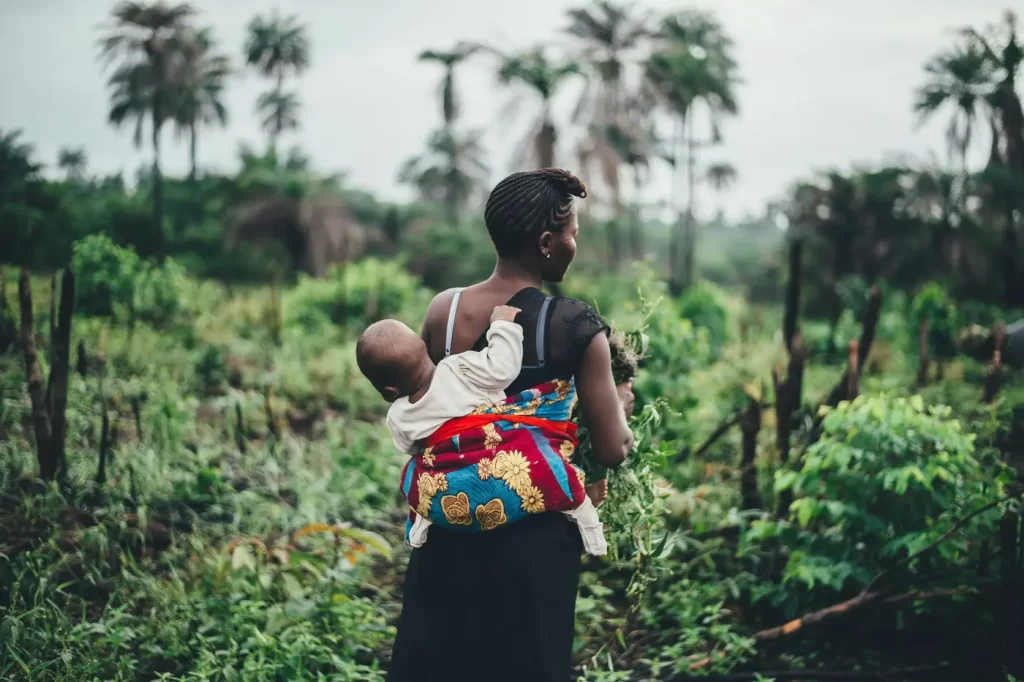
    A woman in a black dress with a baby strapped to her back looks at a field. Her back is to the camera and both her and her baby’s face is not visible.
    Social and behavior change interventions can help mitigate the impact of climate change on mothers and babies. Photo by Annie Spratt, Unsplash

    Why people don’t see heat as a problem or don’t believe that climate change is real

    People didn’t see climate change as something real because in some parts of Africa and especially where we collected our data, the climate is tropical—temperatures have been high for decades. So when we talk about climate change, they say, “It’s always been hot, what’s the difference between now and before?”

    When we talk about the effects they’re experiencing, they say, “Now, we’re seeing more maternal deaths and more women don’t attend ante-natal check-ups.” They begin to see how things are changing, so we ask them, “Don’t you think that’s climate change? The heat is increasing.” 

    Given the lack of knowledge about the impact of heat, the co-design workshop sought to raise awareness among the community so that they can come up with locally supported interventions to protect against it.

    Ethical dilemmas of conducting research in high ambient temperatures

    I have conducted research on various topics, but this experience was different because we collected data during high temperatures. This had deleterious impacts on both the researchers and participants. I wrote this paper so that ethics committees or teams putting protocols are aware of these challenges. In extreme heat, it’s unlikely that participants will sit through an interview for an hour—they have babies, they have to walk long distances, and their homes are heated. So, there should be a shift in how ethics committees approve research. They have to carefully examine the context where research is being conducted and ensure that it is in the best interest of everyone so that no one group suffers.

    What Dr Lusambili change about how we currently approach climate change and maternal and child health

    That’s a difficult one! I want everything to change. 

    But what would make a big difference is ensuring that communities are informed about the impacts of climate change on mothers and babies and are given the tools to support them. 

    A key point that came up during the co-design workshop was the need for a social and behavior change campaign. Because of the communities’ social and cultural norms, women are expected to continue working when they are pregnant and even immediately after childbirth. These norms are harmful to mothers and babies and need to change. 

    There is a need for spouses, mothers-in-law, and other relatives to support mothers and babies with daily activities and in attending ante-natal care and post-natal care at health facilities. Societal support can help enable simple behavioral changes such as drinking more water, boiling water before drinking, using bed nets, and avoiding walking in the heat with babies. 

  • Can AI Save Lives? The Experience of an Indian Nonprofit

    Can AI Save Lives? The Experience of an Indian Nonprofit

    There are many AI tools for maternal and child health, such as apps to detect malnutrition in children and algorithms to predict risks and complications during pregnancies.

    But these tools raise several questions: what are the benefits and downsides of AI compared to current approaches? What are the challenges and risks of using AI? How can we ensure that AI tools promote health equity and access rather than deepening existing divides?

    I delved into some of these issues in a podcast with Amrita Mahale, the Director of Product and Innovation at ARMMAN. ARMMAN is an Indian nonprofit that creates cost-effective, tech-based solutions to reduce maternal and child mortality and morbidity. Through its programs, the organisation has reached around 50 million women and children, and 400,000 health workers in 21 states across India.

    Interview With Amrita Mahale

    What are the maternal and child health challenges that ARMMAN is trying to address?

    India has made great strides towards reducing maternal mortality, but still, every 20 minutes or so, a woman dies in childbirth. And for every woman who dies, many more suffer lifelong complications. 

    One challenge is low healthcare-seeking behavior. Due to patriarchal strictures and norms, neither women, nor their families pay much attention to their health needs. These issues are exacerbated for women from low-income and low-education backgrounds.

    Besides, community health workers are often underskilled and overworked. They are supposed to provide basic care for simple conditions, but that doesn’t always happen. So, women either delay seeking care, opt for private clinics (which can be expensive), or go to tertiary health facilities (which are usually overburdened) [See Glossary #1 below for more details]. Delay in accessing healthcare increases the risk of severe complications and deaths. If you have good preventive care systems, most complications can be averted or caught early and dealt with at the health system’s lower levels. That way, only the most acute cases go to secondary or tertiary facilities. 

    How is ARMMAN using technology to solve these challenges?

    Our programs broadly fall into two buckets. One, programs that empower women with preventive care information through pregnancy and infancy so that they seek healthcare early and regularly.

    Two, programs that train and support health workers to better provide healthcare and detect and manage complications early. We try to prevent health complications and ensure that when they occur, they are tackled at the health system’s lower levels to avoid overburdening tertiary facilities.

    Two of our largest programs are Kilkari and Mobile Academy. Kilkari, which we run in collaboration with the Government of India, delivers weekly pre-recorded messages to women over mobile phones from the fourth month of pregnancy till the child turns one. It has reached over 47 million women to date and has 3.5 million active subscribers across 20 states of India. Mobile Academy trains frontline health workers known as ASHAs [See Glossary #2 below for more details] using phone-based training modules. Another program is mMitra, which sends automated voice calls with critical health information to around 100,000 women in the state of Maharashtra. 

    There have been Randomized Controlled Trials (RCT) [See Glossary #3 below for more details] to evaluate the impact of our programs. The mMitra RCT showed a 38% increase in pregnant women who completed the prescribed doses of iron-folic acid tablets and a 22% increase in the number of children who tripled their birth weight after one year. There were also improvements in tetanus vaccine uptake, consulting a doctor for spotting or bleeding during pregnancy, and delivery in a hospital. John Hopkins University conducted the RCT for Kilkari about five years ago. It showed improvements in the vaccination of children, delivery in a hospital, use of contraceptives, and fathers’ knowledge regarding maternal and child health.

    What prompted you to use AI in your programs?

    ARMMAN has been using AI for several years now, starting with the mMitra program. In mMitra, we observed dwindling engagement over time, which is common for mobile health programs globally. Some listen actively for a few weeks or months, but since the program goes on for 18 months, they stop listening for various reasons. We wanted them to listen to every message during the program because, say, if a pregnant woman drops out before the child is born, she will miss out on information related to immunization, exclusive breastfeeding, complementary feeding, etc.

    We had some rules-based systems to avoid drop-offs. So, when a woman stopped listening, we would call her from our call center, but it would often be too late. And the bigger challenge is that we don’t have a large workforce. These resource constraints meant that we couldn’t call everyone who stopped listening. So, we wanted to identify and predict listenership patterns early on and strategically intervene to ensure higher success rates.

    We realized that we have a lot of data, so why not use AI to solve this problem? We partnered with Google Research India and used restless multiarmed bandit algorithms to predict which users are likely to drop off and who among them will benefit the most from an intervention.

    Now, we are trying to do the same in Kilkari as well. It’s different from mMitra, where we enroll the women ourselves and collect demographic information. So, it’s easy to transfer insights from older cohorts to newer ones. When a woman joins, we can figure out a lot based on her socio-demographic characteristics and information from past subscribers.

    In Kilkari, we have no demographic information, so all we can do is look at a woman’s listening trajectory and make predictions about her future. So, we had to make many tweaks to the AI approach to meet the needs of a national program like Kilkari. But because we’ve done it once, we know what to expect and how to design an effective AI study. 

    We follow an evidence-based approach to scaling innovation. So, we start with small pilot projects [See Glossary #4 below for more details] and then increase their scale before large rollouts. 

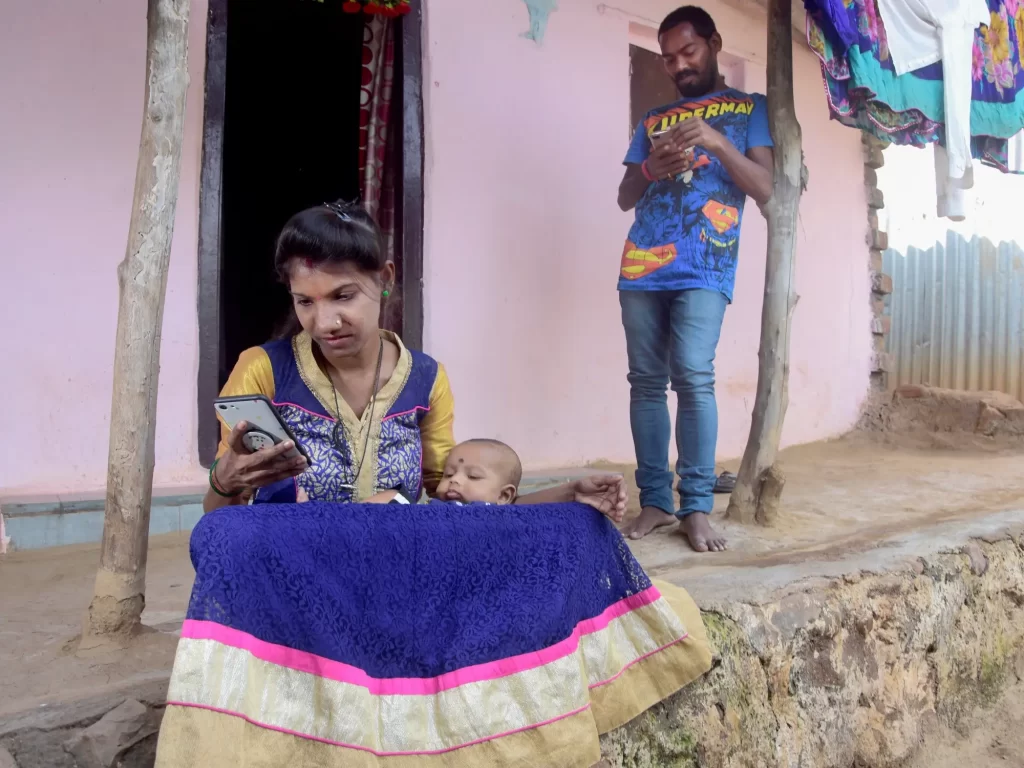
    A woman in a blue dress scrolls through a phone as she sits outside a house with a baby on her lap. Behind her is a man in a blue shirt and jeans, standing and looking at his phone. The house’s facade is pink and there are clothes drying in the background.
    ARMMAN shares messages regarding maternal and child health over the phone. Photo Credit: ARMMAN

    What other AI initiatives are you working on?

    We are working on broadly two kinds of AI projects: 1) Using machine learning and data science to improve our programs 2) Using generative AI and Large Language Models (LLMs) [See Glossary #5 below for more details].  

    We are planning a pilot where we use AI to predict what the best time slot to call a woman is. And this is a great example of using insights from the real world to select a use case to deploy AI.

    We’ve seen in rural India that phone usage patterns are very different from urban India. In cities, we keep checking our phones, but this is not common among our target audience. They use their phones early in the morning, then get busy with domestic chores or work in the fields and check their phones again only after lunch or at the end of the day. So in a day, there are only 2-3 brief windows during which we can reach these women. And many share their phones with their husbands, who might be away at work for most of the day.

    But in Kilkari, women can’t choose a time slot to receive calls. And we don’t know if they are using shared phones. So how do we know when to call them? We are thinking of using AI to optimize which time slot the woman gets a call in. We are still in the brainstorming phase, but later this year, we’ll run a pilot to see if we can use machine learning to predict the best time to call a woman, especially given the constraints of the automated calling system.

    The other kind of AI solution we are excited about uses generative AI and LLMs. Last summer, we decided to build a learning program for Auxiliary Nurse Midwives (ANMs) [See Glossary #6 below for more details]. We had earlier developed 20 detailed protocols on high-risk factors. We train workers face-to-face regarding these protocols and provide them with digital learning materials for self-paced learning. However, ANMs would sometimes get overwhelmed because of the information overload. 

    So, we started a WhatsApp helpline where they could pose queries and doctors would respond. The doctors are overworked, so they would often take hours or days to respond. Eventually, ANMs stopped using the service because they were used to getting answers at the speed of a Google search. 

    That’s when we thought of using LLMs to not generate an answer, but pick the most appropriate response from a list of frequently asked questions and answers in response to the ANMs’ queries. Or the LLM would generate an answer, which the doctor would verify before sending it to the ANM. But we saw that the LLM generated excellent answers! So, we thought of keeping the doctor out of the loop and having the LLM send responses directly to the ANM.

    It’s interesting you say that you found LLMs useful because they are often criticized for generating incorrect, incomplete or biased responses. How did you overcome these challenges?

    Yes, we were nervous about this problem, so we approached it with caution and responsibility. It was clear to us that we would not launch anything without validating it thoroughly and that we would evaluate the model in small, incremental steps. So, we did not just let the LLM make up answers.

    We use something called retrieval-augmented generation — we force the LLM to take answers from the training manuals and clinically validated protocols we had created. In this aspect, we were privileged compared to other organizations trying to build chatbots because we did not have to create any resources from scratch. All we had to do was make them more machine-readable. Since they are learning aids for health workers, the protocols are visual — there are flowcharts, decision trees, and images. So, we had to convert those into plain text, which was slightly time-consuming. 

    We also had a lot of evaluation materials — health workers take quizzes at the beginning and end of the courses, which help us evaluate the courses’ impact on learning levels. We also have a module on ethics. These became evaluation materials for the LLM. We made sure at every step that the LLM was able to give correct answers in the quiz and match the ethical aspects with the correct answers. So, even before we began using LLMs widely, we ensured it worked well in a variety of contexts.

    How do you ensure that AI applications promote health equity and access rather than deepening existing divides?

    We follow a problem-first approach and not a technology-first approach for our innovation pilots — AI as well as non-AI. We identify the core problem we have to solve for our users and how technology or AI can solve this problem more efficiently. That ensures we use AI only to create meaningful impact. 

    ARMMAN’s pilots also go through an ethics review. There is an interdisciplinary team that looks at the study design and preliminary results and thinks through the risks: potential harm and sources of bias. 

    We work with external collaborators on our AI projects, but we do not share any personally identifiable information with them. Internally also, only those who cannot do their job without this data have access to it; others don’t. 

    To ensure equity, we follow inclusive design principles. We do extensive user research to understand how our AI projects, especially LLMs, will be used, perceived and interpreted on the ground. We figure out who could get left out if we introduce certain technologies in our program. 

    For example, in the case of the chatbot we spoke about earlier, we did user research even before we developed the chatbot. We used a prototyping technique called ‘Wizard of Oz’. In this experiment, we simulate an automated experience, but a human actually controls the flow. For the chatbot, we had ANMs send their questions on WhatsApp, but instead of chatbots responding, a human at the other end replied using a set of scripts. It was not a free-flowing conversation. 

    We learnt early on that many ANMs cannot type. They have nursing diplomas, they can read and write, but they are not comfortable typing complex messages with medical terms. So, they defaulted to sending voice messages. Our initial plan was to launch a proof of concept that only used text mode because voice is much harder to get right. But after the experiment, we realized that we couldn’t launch a product that didn’t have voice mode because many ANMs would be left out. Often, the ANMs not comfortable typing are the ones who probably need this kind of service the most. So, it wouldn’t just leave out a certain percentage of users, but also those users who would benefit the most from the service. So, we made sure we prioritized voice mode even if it delayed development.

    Glossary

    1. India has a three-tier public health system: primary, secondary and tertiary. Primary healthcare comprises community health workers and doctors at ‘primary health centers’. They are often the first point of contact for most pregnant women and families.
    2. ASHA stands for Accredited Social Health Activist. They are Indian grassroots health workers who provide health education and encourage people to avail of public healthcare services.
    3. A randomized controlled trial (RCT) is a scientific study to test the efficacy of an intervention. In these studies, participants are randomly allocated to either a treatment group (those who receive the intervention) or a control group (those who do not receive the intervention).
    4. Pilot projects are small-scale preliminary studies to test new services, projects, or products before deploying them at a large scale.
    5. Machine learning is a branch of artificial intelligence (AI) that enables machines to automatically learn from data and past experiences to identify patterns and make predictions with minimal human intervention.
      Data science is the study of data to extract meaningful insights.
      Generative AI is an artificial intelligence technology that can produce content such as text, video, images, etc., usually in response to a prompt.
      Large Language Models are artificial intelligence tools that can comprehend and produce human language. For example, ChatGPT.
    6. Auxiliary Nurse Midwives are grassroots health workers who provide basic nursing care. They provide antenatal check-ups and immunization, among other maternal and child health services.
  • It Is the Greatest Medical Advance of the 20th Century and Has Saved Millions of Lives. Why Are We Not Using It?

    It Is the Greatest Medical Advance of the 20th Century and Has Saved Millions of Lives. Why Are We Not Using It?

    This article is Part 1 of the series ‘Addressing Maternal and Child Health Challenges’ I published with the Boston Congress of Public Health as a Thought Leadership Fellow

    Salt, sugar and water. That’s all it could take to save a life. This combination, known as Oral Rehydration Solution (ORS)1, has been hailed by The Lancet as the most important medical advance of the 20th century. Between 1982 and  2007, it is estimated to have averted 50 million deaths due to diarrhea among children younger than five. While ORS does not cure or stop diarrhea, it replenishes lost fluids and salts, thereby preventing life-threatening dehydration. 

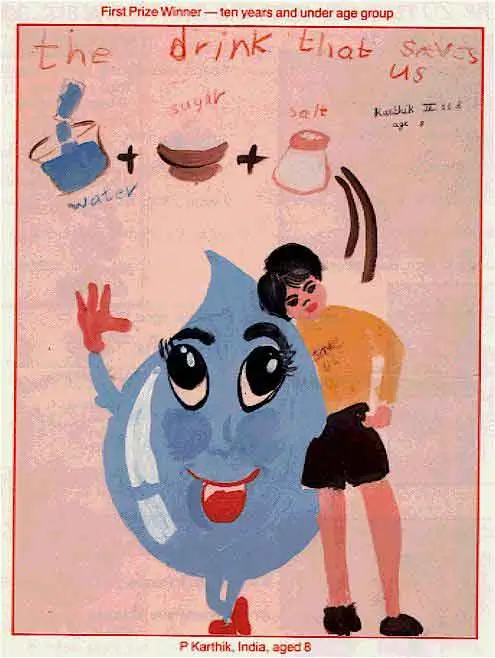
    The poster has a pink background. In the foreground is one bowl of salt, one of sugar, and a glass of water on the top. Below is a child hugging a water drop. It depicts that a combination of salt, sugar and water leads to a healthy child in cases of diarrhea.
    A winner of the Children’s Poster Competition by Dialogue on Diarrhoea, Issue 33 (June 1988), an international newsletter on the control of diarrhoeal diseases

    The treatment’s history is equally fascinating. While it had been used in clinical settings since the 1940s, Dr Dilip Mahalanabis was the first to deploy it at a large scale in field settings. During the Bangladesh war of 1971, 6,000 people were arriving in refugee camps in India every day, leading to overcrowding and cholera outbreaks.2 Without adequate intravenous saline solution or staff to administer it, Dr Mahalanabis and his team handed out ORS to the afflicted. The results were instantaneous and remarkable: mortality dropped from 30% to 1% in eight weeks. 

    Despite ORS being lauded as a ‘magic bullet‘, less than half of children with diarrhea received the treatment in 2022. By augmenting its use, we could potentially save an additional half a million lives a year.

    Reasons for Low ORS Uptake

    A systematic review of studies from 23 countries between 1981 and 2020 has analyzed the barriers and facilitators to ORS use. The review is fairly comprehensive, but given the long timespan and diverse locations it covers, not all the insights might be equally applicable to contemporary contexts or certain geographies. Availability, accessibility, and awareness have historically been major barriers, but over the years, many countries have made great strides in these respects. The study also points to the significance of design, adaptability, and cultural acceptability in interventions to promote ORS. Proper packaging and design can aid in the treatment’s correct use as well.

    But even where ORS availability, access, awareness and demand are not challenges, ORS use can remain subpar. 

    A recent Science study in the Indian states of Bihar and Karnataka found that it remains underprescribed. The reason? Healthcare providers assume that people do not want ORS even though in household surveys, patients reported it as their most preferred treatment. Despite being aware of its life-saving potential, healthcare providers prescribed the treatment to only 55% of those who expressed a preference for ORS. Among those who did not state a preference, 28% received the treatment. 

    The study’s authors have identified reasons for the underprescription: 

    1. Since the salts don’t cure diarrhea — they instead help avert dehydration — healthcare providers thought their patients wanted something more.
    2. Providers might think that patients would get ORS elsewhere (but they don’t).

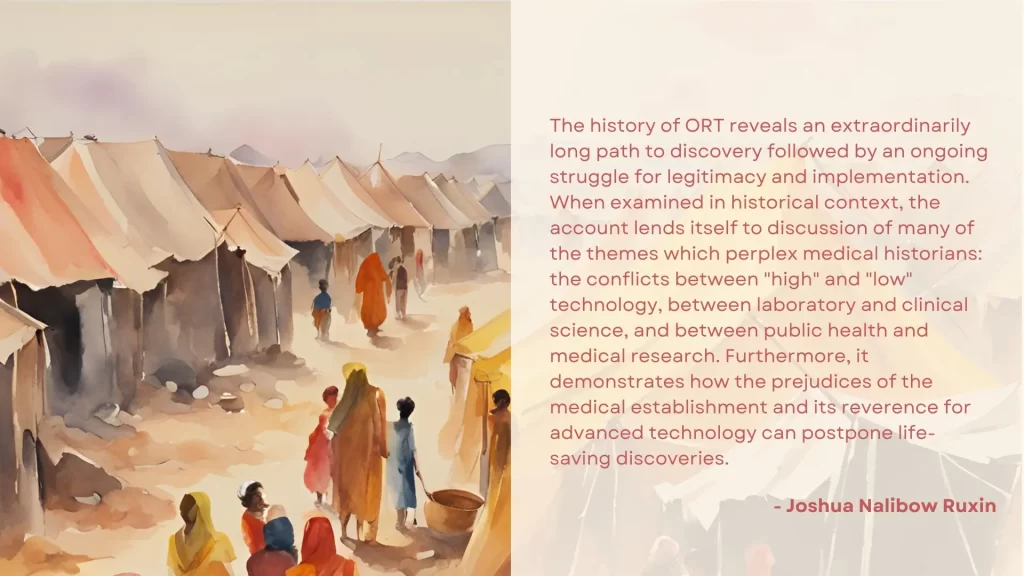
    In this case, one could say that ORS is a victim of its simplicity. This has been true of the treatment since its inception (see image below), an aspect that is often overlooked in conversations around its use.

    The image contains the following quote by Joshua Nalibow Ruxin: “The history of ORT reveals an extraordinarily long path to discovery followed by an ongoing struggle for legitimacy and implementation. When examined in historical context, the account lends itself to discussion of many of the themes which perplex medical historians: the conflicts between "high" and "low" technology, between laboratory and clinical science, and between public health and medical research. Furthermore, it demonstrates how the prejudices of the medical establishment and its reverence for advanced technology can postpone life-saving discoveries.” On the left is an AI-generated watercolour image with tents and silhouettes of people.

    The Scourge of Simplicity

    In this aspect, it reminds me of the public health intervention of washing hands before surgeries to prevent infections. In 1846, Hungarian doctor Ignaz Semmelweis found that doctors were transmitting infections to women in maternity wards by examining them after doing autopsies and that washing hands with chlorinated lime could prevent this. However, medical professionals derided him and his findings. While others echoed his claims, most notably Florence Nightingale, handwashing to prevent infections in medical settings became common only decades later.

    In certain contexts, underwhelming perceptions of ORS have filtered down to patients, who might prefer other treatments over it. We can address these seemingly counterintuitive choices only if we understand the motivations behind them. 

    In her book Underbelly: Childhood Diarrhea and the Hidden Local Realities of Global Health, Rachel Hill-Clifford writes: ‘If families do pay and take the time to travel to a healthcare facility, they want to be compensated for their efforts with a treatment perceived as strong and effective. ORT is not perceived as such a treatment[…] What may be classified as unnecessary or “irrational”[…] in resource-constrained contexts such as Guatemala makes sense given limited accessibility of healthcare.’

    With examples such as these, Hill-Clifford instantiates how larger equity and access issues can affect specific public health interventions, such as using ORS to treat diarrhea.

    Strategies to Increase ORS Use

    While ORS use is less than ideal at a global level and some countries have even seen a decline, others, such as Sierra Leone, Guyana, Malawi, and Bangladesh, have made remarkable strides in using it to cure diarrhea in children despite resource constraints. Both Guyana and Bangladesh achieved higher ORS coverage before their then wealthier neighbors, Trinidad & Tobago and India respectively.2

    Some strategies that have been successful to increase

    1. Building demand among consumers and healthcare providers through the mass media, social marketing, one-on-one messaging, and other communication channels.
    2. Increasing the availability and access of ORS through both the public and private sectors.
    3. Free distribution of ORS by community health workers where price is a barrier.

    Depending on the context, the solution could be deceptively simple. The Science study’s authors mention that since patients nudging doctors increased ORS prescriptions, just putting up a poster telling patients to ask for ORS rather than, say, antibiotics could be a way forward. Providers too thought it would give them more credibility when they prescribe ‘something as simple and basic as a pack of salts’.

    However, there is no one-size-fits-all solution. What may have worked in one location might be unsuitable for another. When implementing strategies to increase ORS use — or for that matter, any public health intervention — it is important to understand the local context and social determinants of health so that we can accordingly fine-tune them.

    Disclaimer

    Some of the visuals in this blog are AI-generated on Canva.

    Footnotes

    1. ORT (Oral Rehydration Therapy) refers to the proper use of ORS, but both terms are often used interchangeably.

    2. While this was historically true, in recent years, both Bangladesh and Guyana have had per capita incomes comparable to or even higher than that of India and Trinidad & Tobago.