
An edited version this article was published in The Tribune
Atul often gets strange looks from strangers. Whether it is while photographing a crevice in a wall or crouched on a pavement, people come up to him to ask what he’s doing or stare in puzzlement. But unbeknown to them, the 25-year-old engineer and nature enthusiast is engrossed in the fascinating realm of bugs.
While mosquitos and cockroaches are unlikely to evoke much fascination, there are millions of other insects, each with their peculiar appearance and habits, that can be exciting to observe. Take some species of assassin bugs, which, as their name suggests, are not to be messed with. They stab and paralyse their prey, suck their liquefied innards and wear their corpses as armour and for camouflage! Figs would disappear without fig wasps — there are about 900 species of figs and each has a dedicated wasp which pollinates it. Crickets are commonplace, but it might come as a surprise that the frequency of their chirping is proportional to the ambient temperature.
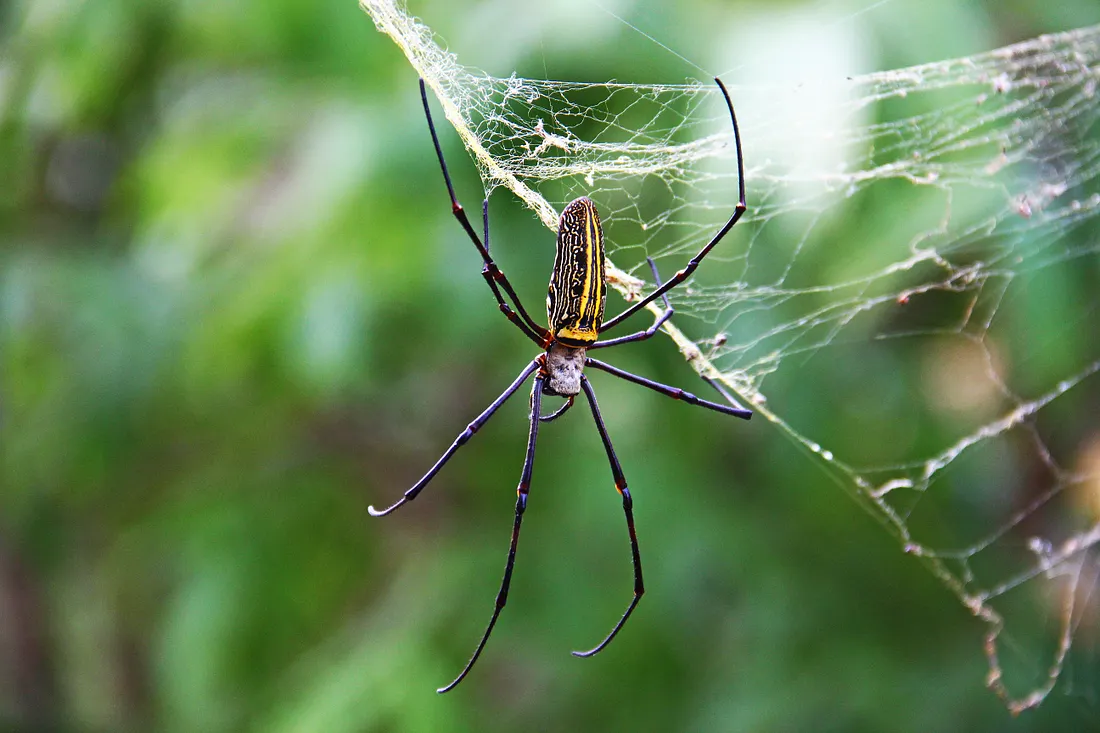
“Insects are more interesting than mammals,” says Sohail Madan, manager of the Conservation Education Centre at the Asola Bhatti Wildlife Sanctuary, New Delhi. “Though tigers and elephants are big and beautiful, their characteristics and habits are somewhat like ours. If you observe bugs closely, you’ll see a whole new world of patterns, colours and textures. They have been on earth for much longer than us and their life history and evolution are unique.” Interestingly, what we commonly call insects encompass a variety of biologically distinct organisms that, strictly speaking, are not insects. Spiders, millipedes and snails for instance.
The centre organises nature walks in Asola. Over the past year, they have invited visitors to track butterflies, dragonflies, moths and other creatures. “Every September, we celebrate Butterfly Month to publicise urban wildlife, which is largely insects,” mentions Sohail. “Insect watching is becoming quite popular, especially with photographers.”
The best part is that you don’t need to go to a forest to observe them. “Just a square foot of soil or a single plant can harbour thousands of bugs,” says M. Yuvadeeban, a naturalist and writer based in Chennai. “Giant milkweed, a common plant in even heavily urbanised areas, is home to a diversity of species, such as the painted grasshopper, cotton stainer, carpenter bee, red milkweed bug and plain tiger butterfly.”
The ideal place to begin is your own backyard, terrace or balcony garden. The undersides of leaves harbour many creatures. If you see chomped foliage or a bare branch, there’s likely to be a bug around. Some creatures, like cicadas and borers, live on tree trunks, while others — woodlice, centipedes and ants — take shelter under rocks. Flowers attract pollinators, such as butterflies, moths and bees. Many bugs reside in soil, while others inhabit leaf litter.
While Yuvadeeban regularly documents his entomological adventures on Instagram, his first tryst with insect watching was not as pleasant. “I must have been in kindergarten when I saw a stink bug on a soap nut tree. I picked it up to show it to my teacher, but it sprayed acid on me. My cheeks were swollen for a long time. That’s why it’s important to educate yourself before you start.”
While some insects bite or sting, others spray acids or blistering agents. Skin contact with hairy caterpillars leads to intense itching and rashes. To protect yourself during nature forays, wear neutral hues that blend into foliage, full sleeves, trousers, socks and shoes, and avoid perfumes. You don’t need any equipment, but a magnifying glass makes it easier to observe tiny creatures and a macro lens is handy for photography. Patience is important — insects’ lives depend on their ability to camouflage and sometimes, you might not be able to spot one right in front of you.
The fear of bites, along with our urban conditioning, which brands them as creepy crawlies, often prevents people from taking up the activity. But if you cast aside your preconceptions and begin observing different kinds of creatures closely, the fear soon gives way to fascination. And with more than 7 million species to track, you’re bound to have a hobby for life.



Leave a Reply